
Wise Media · Product Design
The Marketing Site
And The Product, One System.
Most companies hire one team for the site and another for the app, and the brand falls apart the moment somebody signs up. I design and build both in the same system so the seam is not there to find.
I design and build marketing sites and product interfaces in the same system, so the brand does not change the moment someone signs up. Front end is written by hand in Next.js and Tailwind, with Supabase behind it when the build needs a database. The repository is yours on launch day.
System, Not Two
The site and the product designed together, so the brand survives signup.
The Repository
Handed over the day it ships. No hostage arrangement.
Weeks To Launch
For brand and site builds. Platform work is scoped on its own.
Founders Worked With
Across trades, property, ecommerce, crypto and founder led services.
What Gets Built
Read off the same stack this site runs on.
The Seam Is The Whole Problem
A marketing site sells a feeling and the product delivers a different one. Buttons move, type changes, the colour is nearly right. Nobody files a bug for it and everybody feels it. Designing both in one system is the only fix that holds.
Written By Hand, Not Assembled
Front end in Next.js and Tailwind, with Supabase behind it when the build needs a database. Hand written front end is slower to start and cheaper to own, because the thing you inherit is code rather than a page builder subscription.
Interfaces That Survive An Audit
Customer portals, internal tools and product UI for teams where the interface has to survive an audit and a rebrand. That is a different brief from a landing page and it is scoped as one.
Ecommerce And Checkout Where It Belongs
STRIKE Training Systems went from a pencil sketch to a full identity, a website, an ecommerce store and a Stripe checkout, in one system rather than three vendors.
How A Build Runs
Four stages. You know the number and the date before anything starts.
Diagnose
One call to find the constraint. On product work that is usually the flow rather than the interface, and naming it correctly saves the entire build.
Design
Structure, then the visual system, both across the site and the product at once. Copy before pixels, on the app screens as much as on the home page.
Build
Hand written front end, scoped and fast. Database behind it when the build needs one. The repository is yours the day it ships.
Scale
The asset keeps paying after launch, because the thing you own is code you can extend rather than a template you can only replace.
When You Do Not Need This
Same standard as every other page here.
A Template Would Genuinely Do
If you need five pages, no product, and no reason for anything to be bespoke, a good template is the correct answer and it costs a fraction of this. I will tell you that on the call.
You Have An In House Team Already
If designers and front end developers are on payroll, the constraint is almost never capability. It is usually the position or the offer, and that is a different page on this site.
The Product Does Not Exist Yet
Designing an interface for software nobody has used is expensive guessing. Ship something ugly, watch people use it, then buy the interface.
You Want Somebody To Own It Forever
The repository is handed over on purpose. If what you actually want is a vendor who holds the keys and bills monthly to change a heading, that is a real service and it is not this one.
The Builds Behind This
Every one of these is a page on this site with the work on it.
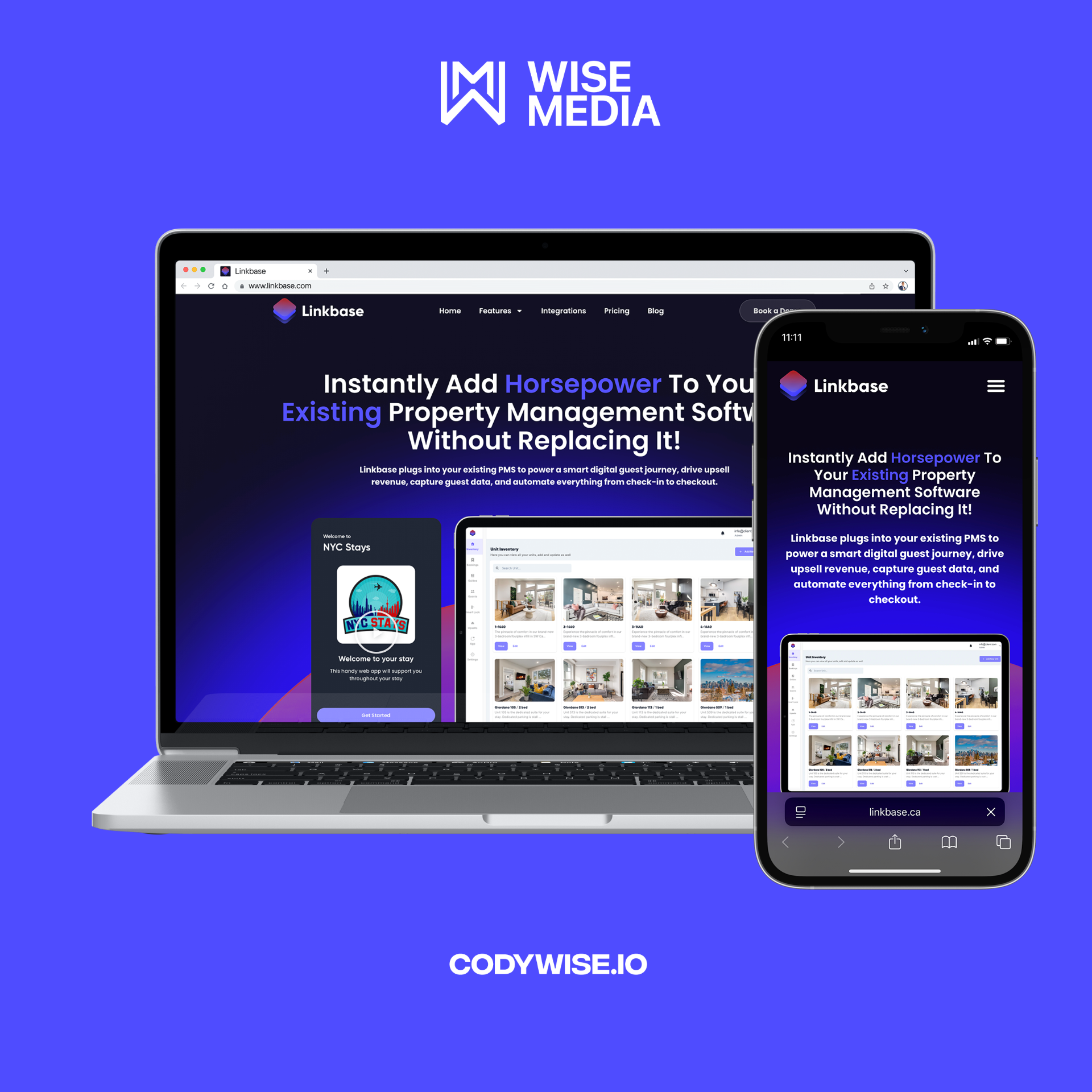 Short Term Rental Software
Linkbase Technologies
A plug and play upsell layer for any property management system, given a site by someone who runs the properties it sells into.
Website For An Upsell App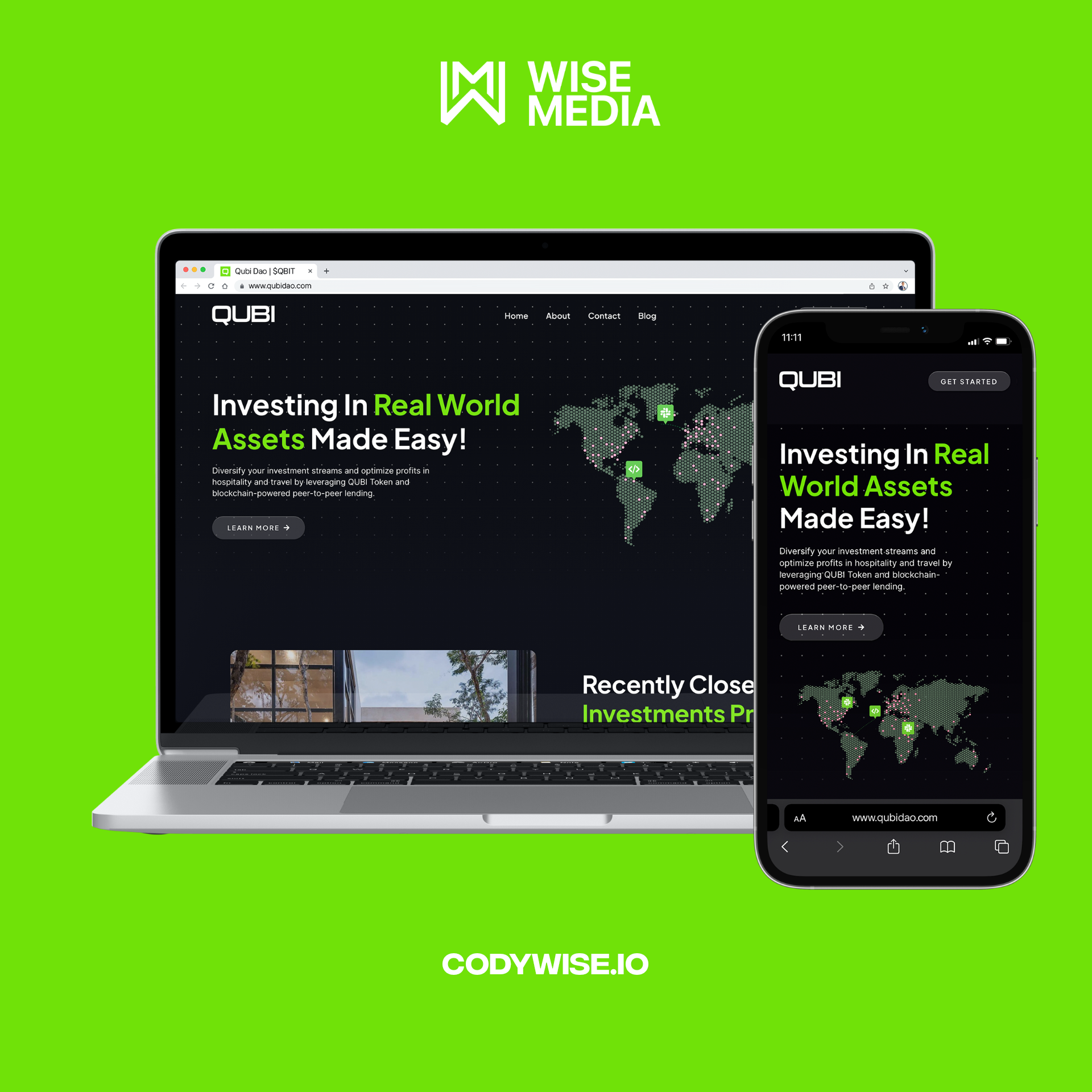 Web3, Real World Assets
Qubi DAO
A decentralised real world asset marketplace and a short term rental dApp, designed, built and launched.
Marketplace And dApp, Launched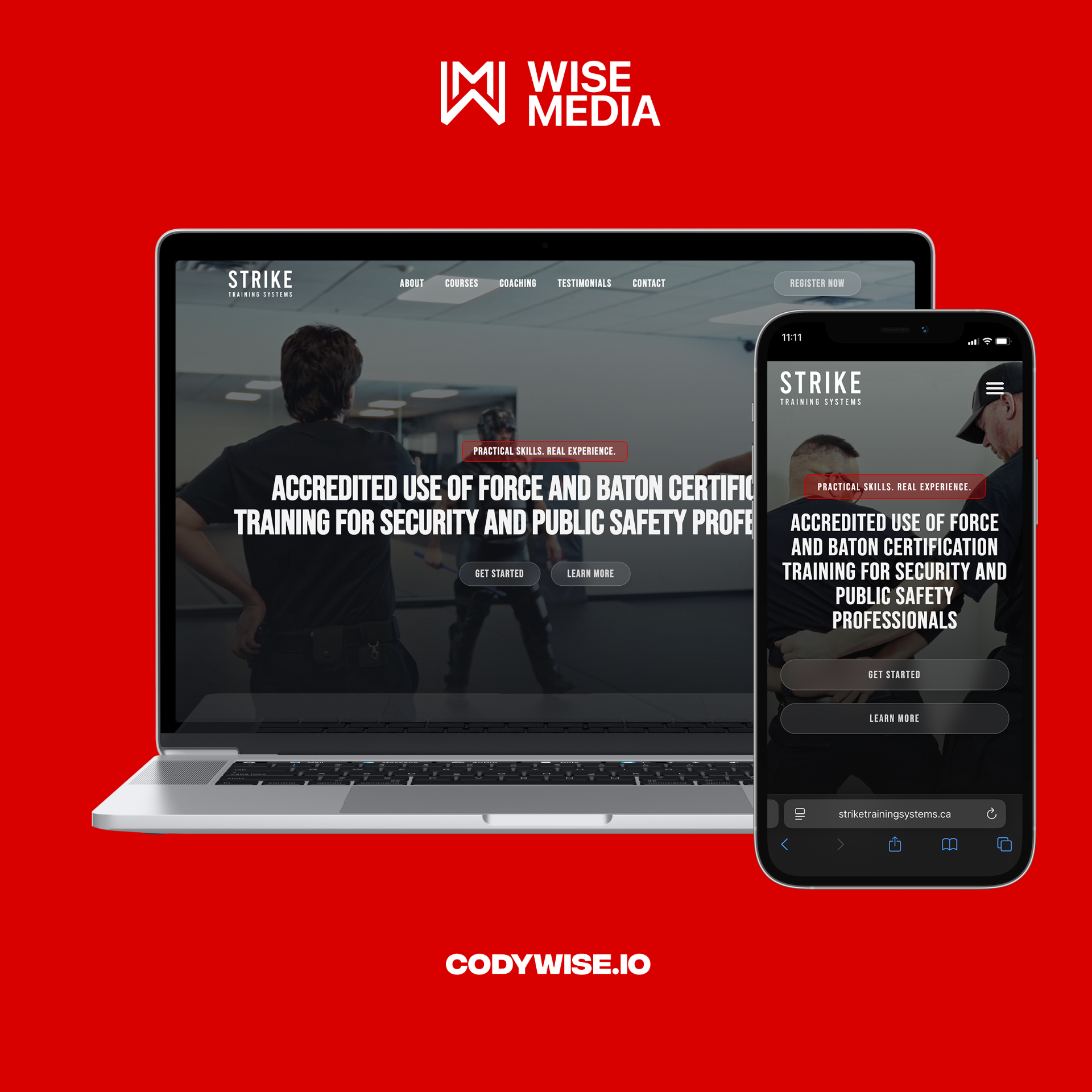 Public Safety Training, Calgary
STRIKE Training Systems
A pencil sketch became a full brand identity, then a website, an ecommerce store and a Stripe checkout.
Sketch To Full BrandThe Other Seven
Each one makes the next one cheaper. This is the order they are usually bought in.
Positioning And Brand Systems
The first build, because it makes every other build cheaper.
Websites And Web Development
The site that says the offer in one screen and sends people to one action.
Conversion Rate Optimisation
The cheapest money in the business, found before any more is spent on traffic.
Direct Response Copywriting
Words written to get one action from one reader, judged only on whether they get it.
AI Solutions And Automation
The build that pays after the other builds have shipped.
AI Search Visibility
The layer that decides whether anything else you publish gets repeated.
Offers And Paid Advertising
The system that turns a finished build into booked work.
Published Pricing
Six package families, eighteen tiers, every price on the page in USD.
Common Questions
Front end is written by hand in Next.js and Tailwind, with Supabase behind it when the build needs a database. WordPress where a client already runs on it and moving is not the constraint.
Both, in the same system. Marketing sites and product interfaces are designed together so the brand does not change the moment someone signs up.
Yes. The repository is yours the day it ships.
You can, but it is rarely the constraint. Most sites underperform because the offer is unclear, not because the design is dated. That gets checked on the call before anything is quoted.
Brand and site builds usually ship in two to four weeks. Platform and product work runs longer and is quoted on scope rather than on a standard timeline.
One Operator.
End To End.
If this is the constraint, the call is where it gets named and priced. You get a number on the first call rather than after three meetings.