Fatherhood
On the ninth of December, 1914, the plant at West Orange caught fire. Thomas Edison was 67 years old. Film stock, chemicals, and most of a working complex went up in a single night, and he stood outside and watched it burn.
A kid does not learn about risk from a lecture. He learns it from your face the night something you built stops working.
By his son Charles’s own account, Edison told him to go find his mother, because she was never going to see a fire like that again. The next morning the man was back on the site, deciding what got rebuilt first.
That story gets told as grit. It is not grit. It is curriculum.
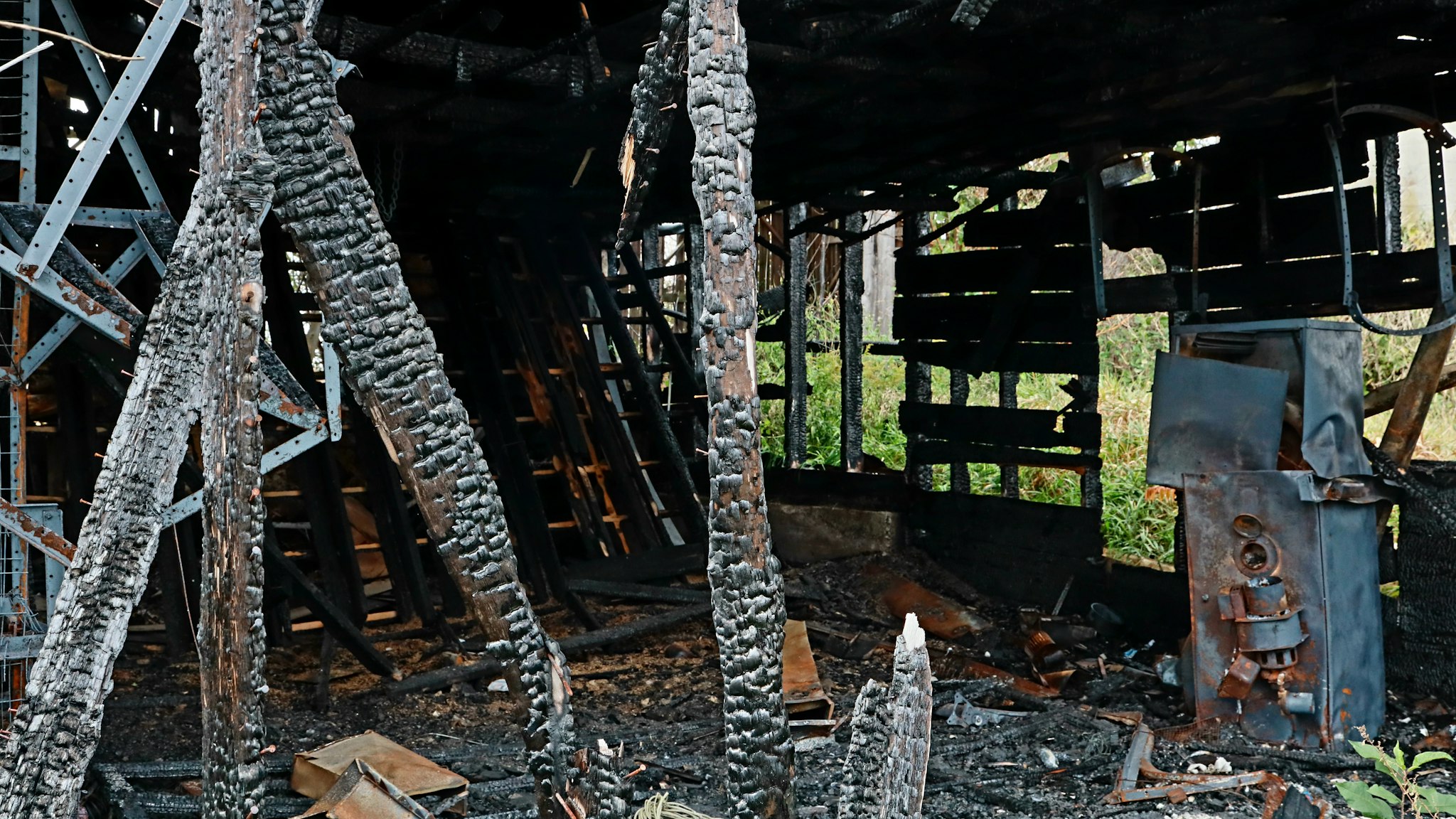
Charles Edison was 24 that night and he carried the scene for the rest of his life. Not the fire. The father standing in front of it without flinching, then going back to work before the ash cooled. Nobody sat him down and taught him how to handle catastrophic loss. He watched it handled.
Most founders only let their kids see the wins
We are strange about this. A founder will bring a kid to the office when a deal closes. He will put the new truck in the driveway and say nothing about the line of credit behind it. He will take the family out when a month was good and go quiet when a month was not.
The kid is not fooled. Kids read tone with terrifying accuracy. They just do not get the explanation, so they fill it in themselves, and what they fill in is worse than the truth. Money is unstable. Dad is unstable when money is unstable. Losing is something we do not talk about in this house.

That is the lesson you actually taught. Not resilience. Concealment.
The loss is the only honest part of the curriculum
Everything else you teach a child about building is hypothetical to them. Discipline is a word. Ownership is a word. The P&L is invisible. A loss is the first thing in the whole enterprise that a seven-year-old can actually see.
Which makes it the single highest-leverage teaching moment you get, and most of us spend it hiding in the garage.
Teach them the recovery and you have taught them the only part of business that repeats.
Wins do not transfer. The specific deal, the specific channel, the specific market window, none of it will exist when they are grown. The recovery pattern transfers. It is the same in 1914 and the same in a short-term rental portfolio and the same in whatever they end up running.
How to run a loss out loud
There is a way to do this badly. Dumping your anxiety on a child is not transparency, it is outsourcing. The point is not to make them carry the weight. The point is to let them see the weight being carried.
Four things, in order, in plain language at the dinner table.

Name the decision. Not the weather. “I booked that unit out for the season at a rate I set in March, and I set it too low.” A loss with no decision attached teaches them that bad things happen to people. A loss with a decision attached teaches them that choices have arithmetic.
Name the cost, not the number. This matters. You do not owe a child your revenue figures, and the number means nothing to them anyway. “That mistake costs us the trip we were planning” is a cost they can hold. A dollar amount is noise.
Name what you are doing about it this week. Specific and boring. Repricing the calendar. Calling the client. Rewriting the agreement so the next one cannot happen the same way.
Name what it does not change. The standard stays. The schedule stays. Breakfast is at the same time tomorrow. This is the part they are actually watching for, and it is the whole reason the Edison story survived a century: the man went back to work the next morning and that single fact told everybody in his family what kind of house they lived in.

Composure is a system, not a temperament
Nobody is calm about a loss on the first one. You get calm about it the same way you get calm about anything, by having decided in advance how you will behave. Seneca practised being poor on purpose for exactly this reason. Rehearse the bad version while it is still cheap and it stops being an ambush when it arrives.
The Stoic split is doing most of the work here. The fire was not up to Edison. The next morning was. That is the entire dichotomy of control, demonstrated in front of a 24-year-old instead of explained to him.
And it pairs with the rest of it. You cannot teach a kid to keep his own score and then refuse to show him yours. You cannot pay him for outcomes rather than hours and then hide the outcomes you missed. The system only teaches if it applies to the man running it.
Solomon put it in one line: the righteous man falls seven times and gets up. The number is not the lesson. The getting up, seven times, in front of people who are counting, is the lesson.
What they are really recording
Your kid is not building a model of your business. He is building a model of what a competent adult does when something goes wrong, and he is building it out of about thirty-three moments he happened to witness between the ages of five and eighteen.
You do not get to choose the moments. You only get to choose how you behave inside them.
So let them watch you lose one. Not the bleeding, not the 2 a.m. version. The accounting, the decision, the repair, and breakfast at the usual time.

They will forget every win you showed them. They will build their nervous system out of the loss you handled in front of them.
Common questions
How do you teach kids about failure without scaring them?
Separate the event from the emotion. Children can hold a specific, bounded setback with a stated fix attached to it. What frightens them is an adult who is clearly distressed and will not say why, because then the problem has no edges. Name the decision, name what you are doing this week, and state plainly what is not changing.
At what age should you talk to a kid about business losses?
As soon as they notice tone, which is earlier than most parents think. The content scales, not the honesty. A five-year-old gets “I made a mistake at work and I am fixing it this week.” A fifteen-year-old gets the decision, the arithmetic and the repair.
Should you show kids the actual numbers?
No. Teach the cost, not the figure. A dollar amount means nothing to a child and it hands them a worry they cannot act on. “This costs us the trip” is a consequence they can understand and reason about. The number teaches nothing the cost does not teach better.