Mindset
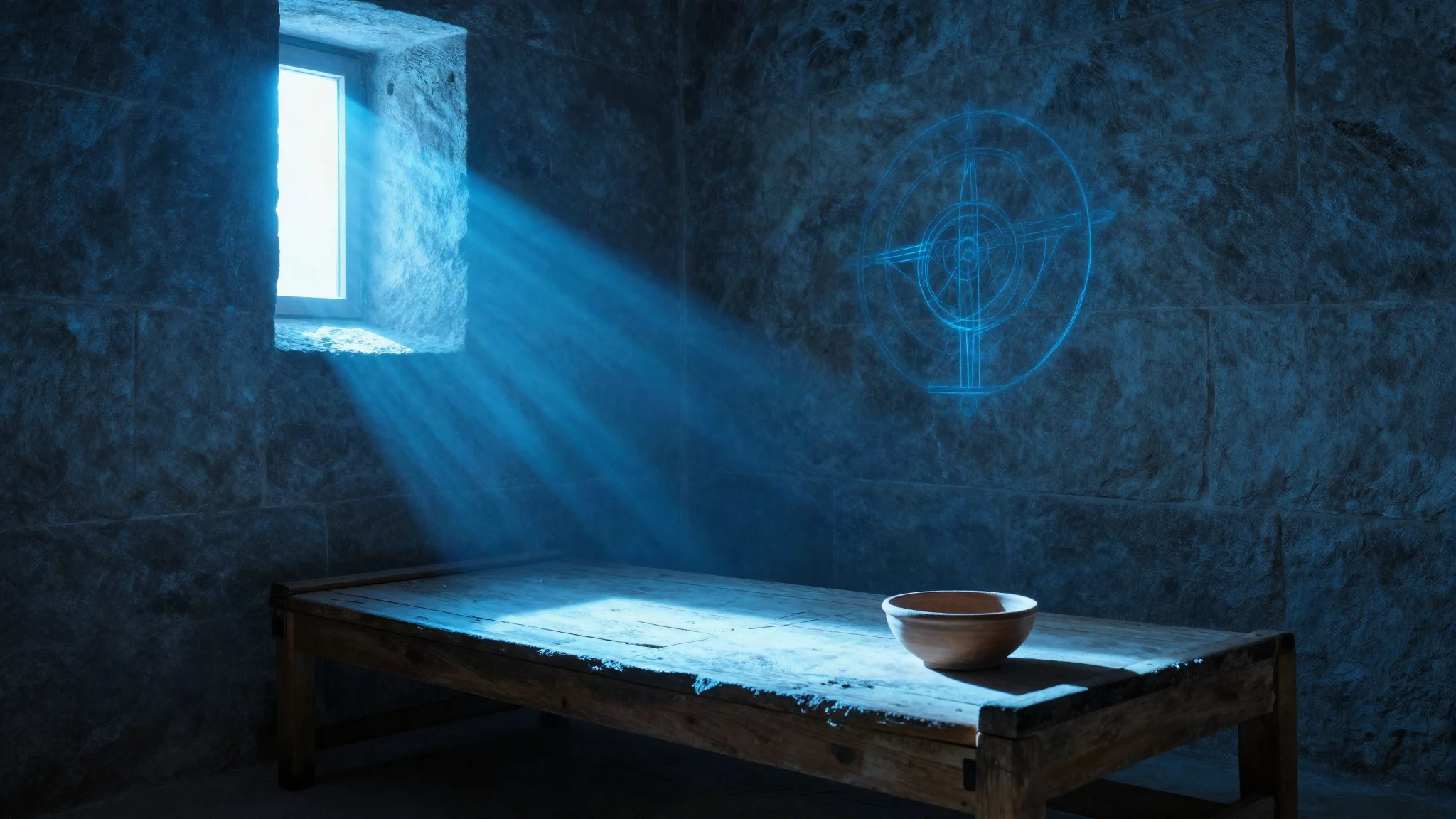
Seneca was one of the richest men in Rome. He owned estates, he lent money at scale, he advised an emperor. And a few days each month he ate the cheapest food he could find, wore the coarsest clothes he owned, and slept rough on purpose.
The point was not humility. The point was to find out how little he actually needed before life found out for him.
Most operators have this backwards. Comfort is the reward, and discomfort is the thing that happens when the plan fails. So the plan has to never fail.
Every decision then gets made under a quiet assumption: revenue holds, the platform does not change its rules, the client renews. That assumption is the most expensive thing you carry, and it appears on no statement.
A short-term rental portfolio does not fail because occupancy drops. It fails because the operator built a cost base that only works at last summer occupancy.
An agency does not fail because a client leaves. It fails because the retainer was already spent forward.
The drill
Seneca did not reduce his life permanently. He kept the estates. He was rich, he stayed rich, and he was attacked for the contradiction in his own lifetime. His answer was that the money was never the problem. Needing it was the problem.
So he rehearsed the loss on a schedule of his own choosing. That is the part worth stealing.
Read properly, this is not motivational. It is actuarial. He was pricing his own downside in advance, the way an insurer prices a fire before there is a fire.
Hardship you choose is a rehearsal. Hardship that arrives is a test.
Running it as an operator
Pick one month a quarter and run the business at the cost base you would be forced into if your largest revenue source disappeared tomorrow. Not a scenario tab in a spreadsheet. Actually run it.
Cancel the software you have stopped opening. Do the task you pay someone else to do, once, so you remember what it costs and how it is done. Take the flight you would take in a bad month. Eat the way you would eat.

You learn two things, and both are worth more than the money saved. First, where your real floor is, which is almost always lower than you believed. Second, which expenses were buying you output and which were buying you the feeling of being a serious person.
What the drill protects
Every bad deal I have watched a founder sign was signed from a position of needing it. The terms were never the problem. The need was. Fear of the downside quietly sets your rates, picks your clients, and keeps you in a contract months past the point of sense.
Seneca wrote that we suffer more often in imagination than in reality. He was not being poetic. The imagined version of a bad outcome is unbounded. The rehearsed version has edges. Once you have lived at the floor for a week, the floor stops being a horror and becomes a number.

A man who has practiced the worst case is the only man at the table who can walk away from it.
None of this requires austerity as an identity. Seneca was not a minimalist and neither am I. Comfort is fine. Dependence on comfort is the exposure.
Run the drill while things are good. That is the only window in which it is voluntary, and voluntary is the entire mechanism.

You do not own anything you cannot afford to lose. Until then it owns you.