Travel
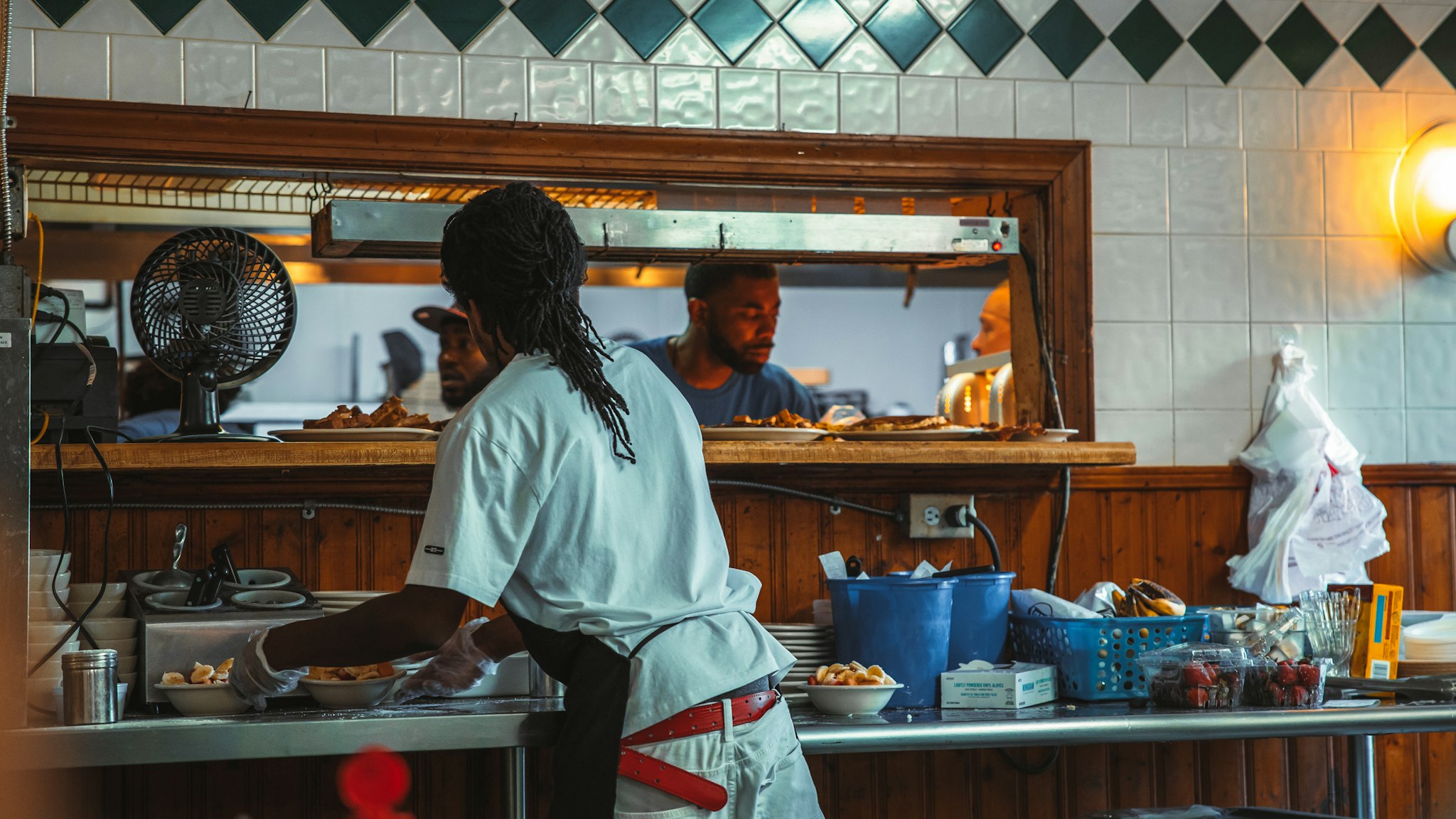
In 1954 a milkshake machine salesman drove out to San Bernardino to find out why one hamburger stand had ordered eight Multimixers when almost every other kitchen in the country bought one. He did not walk in and introduce himself. He parked, and he watched the lunch rush.
You are already paying for the research. You are just not collecting it.
Ray Kroc counted cars. He watched where the line formed and where it stalled. He timed how long it took somebody to get from the window back to their car. By his own account he spent most of a day as a spectator before he ever spoke to the brothers who owned the place.
He was not shopping for lunch. He was reading an operation.
Most of us travel the other way around. We book somewhere, arrive tired, notice the shower pressure, leave four stars, and come home with nothing written down. The stay cost real money and produced zero transferable information.
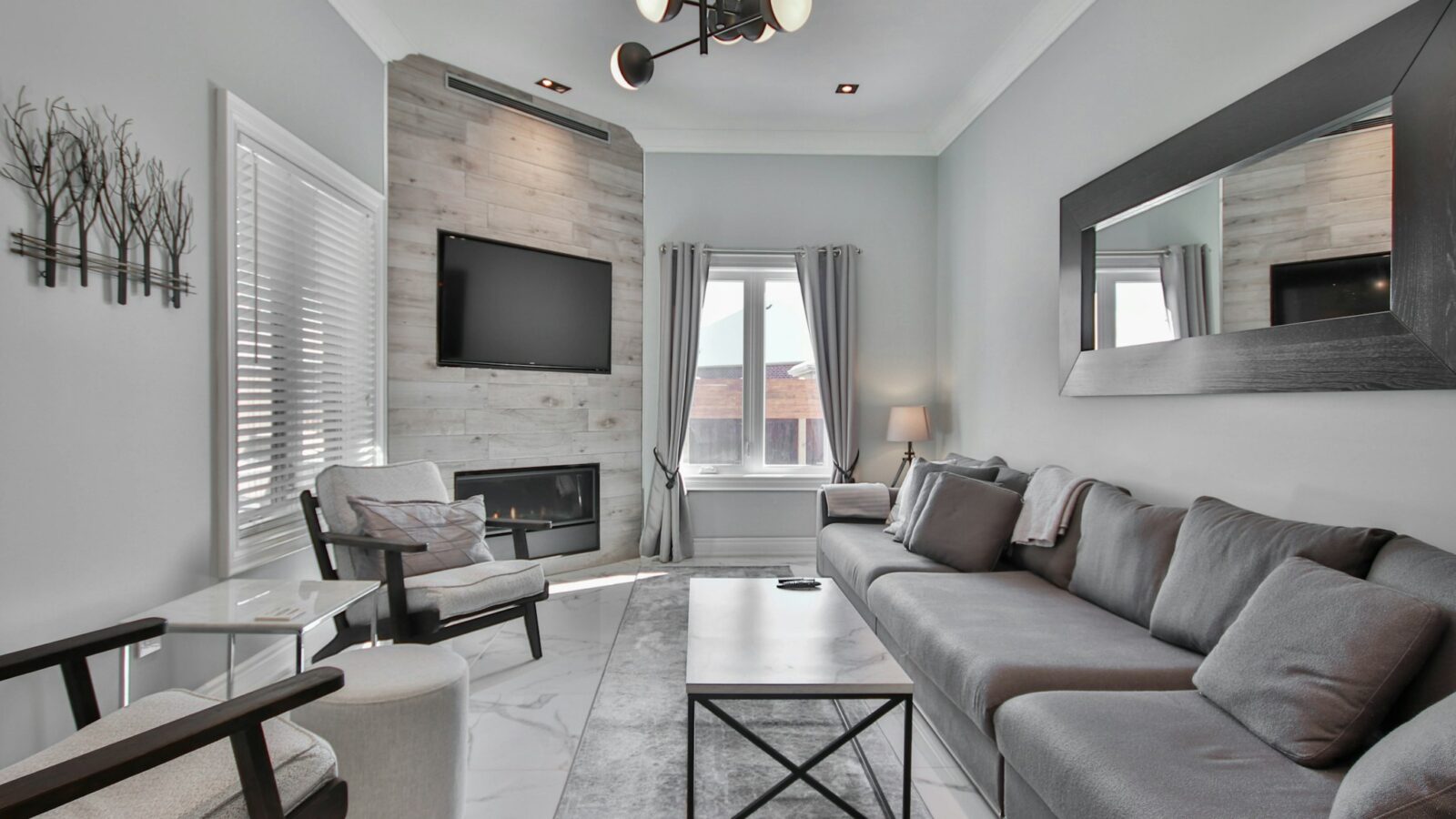
If you operate anything with a guest in it, rentals, hotels, restaurants, clinics, every night you spend inside somebody else’s property is a competitor teardown you have already paid for. The ticket is sunk. The only live question is whether you collect.
A review is a complaint, a teardown is a spec
The difference is direction. A review asks whether you enjoyed it. A teardown asks which decisions produced the experience, in what order, and which of them you could install by Friday.
A spec is portable. An opinion is not. So the work is to walk through somebody else’s property with the same six headings every single time, and to fill them in before you leave, because by the time you are home you remember the view and nothing else.

One. The pre-arrival sequence. How many messages landed before you got there, when each one arrived, what it asked you for, what it tried to sell you. Count them. Operators tend to send nothing or send five, and almost nobody sends the two that matter.
Two. Door to seated. Where the access instruction lived, whether it worked on the first try, how long you stood outside holding luggage. This is the single most repairable number in hospitality and the one nobody measures in their own property.

Three. The first ten minutes. Write down everything you went looking for and could not find. That list is the real product gap, and it is never the thing the listing photos are selling.
Four. The kit. Open the cupboards. What did they stock that you do not stock. Half of what separates a good stay from a forgettable one costs under twenty dollars a unit and is invisible in photographs.

Five. The price and what carried it. What they charged, which night of the week it was, and the one or two things in the room that made the number feel reasonable. Pricing is not a number, it is a justification, and the justification is usually physical.
Six. The exit. When the review request arrived, who it came from, and whether anybody made a single attempt to get you back directly instead of through the platform. Most operators spend everything on acquisition and nothing on the fifteen seconds after checkout.
You are not looking for what is better. You are looking for what is decided.
The part almost nobody does
One stay is an anecdote. Twelve stays under identical headings is a benchmark. After a dozen you stop arguing about whether your welcome message is too long and start reading a column.
The discipline is boring and it is the whole thing. Same headings, same file, filled in on site. If the notes live in your head they are gone, and you have paid for a holiday instead of an audit. This is the same argument as treating a time zone as a management tool rather than an inconvenience: the trip is already happening, so the only variable is what structure you put around it.
Copy the sequence, not the taste. Aesthetic does not transfer. A concrete villa in Tulum and a mountain cabin in Alberta cannot borrow each other’s look, and trying is how operators end up with a property that photographs like somebody else and operates like nobody. What transfers is order of operations: when the code arrives, what is on the counter, who asks for the review.
The brothers in San Bernardino had a tiny stand in the desert. Kroc did not copy the stand. He copied the sequence, and the sequence is what scaled.
One caution, because it needs saying. You are a paying guest, not an inspector. Watching is free. Interrogating somebody’s cleaner, photographing a private home for your own listing, or reverse engineering a small operator you are about to undercut is a different activity with a different name. Read the operation, leave the people alone.
Then I saw, and considered it well: I looked upon it, and received instruction. Proverbs 24:32, KJV
This is also the cheapest way to build a standard when you do not have one yet. Before you have a documented process worth productizing, you have a stack of notes about how other people solved the same twenty minutes. The notes come first. And unlike the version of travel that is mostly an attempt to leave the work behind, this one gets better the more attention you bring to it.
Travel stops being an expense the moment you come home with a spec instead of a story.