
Wisdom
The most quoted line in Stoicism is usually read as a pep talk. Every problem is secretly an opportunity, lean in, find the upside. That is not what Marcus Aurelius wrote, and the version he did write is more useful.
The obstacle does not become an advantage. It becomes the work.
The line comes from Book 5 of the Meditations, passage 20. In the Gregory Hays translation the passage closes like this:
“The impediment to action advances action. What stands in the way becomes the way.”
Marcus Aurelius, Meditations 5.20 (trans. Gregory Hays)
Now read the sentences before it. Marcus is not talking about markets, setbacks or bad luck. He is talking about people. Other men are the thing nearest to us, he says, in that we owe them good and have to put up with them. But when they block what he is trying to do, they become as neutral to him as the sun, the wind, or a wild animal. They can stop his action. They cannot touch his intention.

He was emperor when he wrote this, much of it on campaign along the Danube frontier, through years of war and plague, managing generals, officials and a court. When he says something stands in the way, he usually means someone.
The two moves
The passage names the mechanism in two ideas that the quote cards drop: reservation and conversion.
Reservation is how you aim. The Stoics set every intention with a clause attached: I will do this, if nothing prevents it. Seneca describes the wise man undertaking nothing without it. This is not hedging. It moves the target from the outcome, which you do not own, to acting well, which you do. It is the dichotomy of control applied to a calendar.
Conversion is what happens when you are blocked anyway. The mind, Marcus says, adapts and turns the hindrance into the material of its action. If a colleague obstructs you, the work becomes patience. If a plan is refused, the work becomes doing the next right thing with what remains.
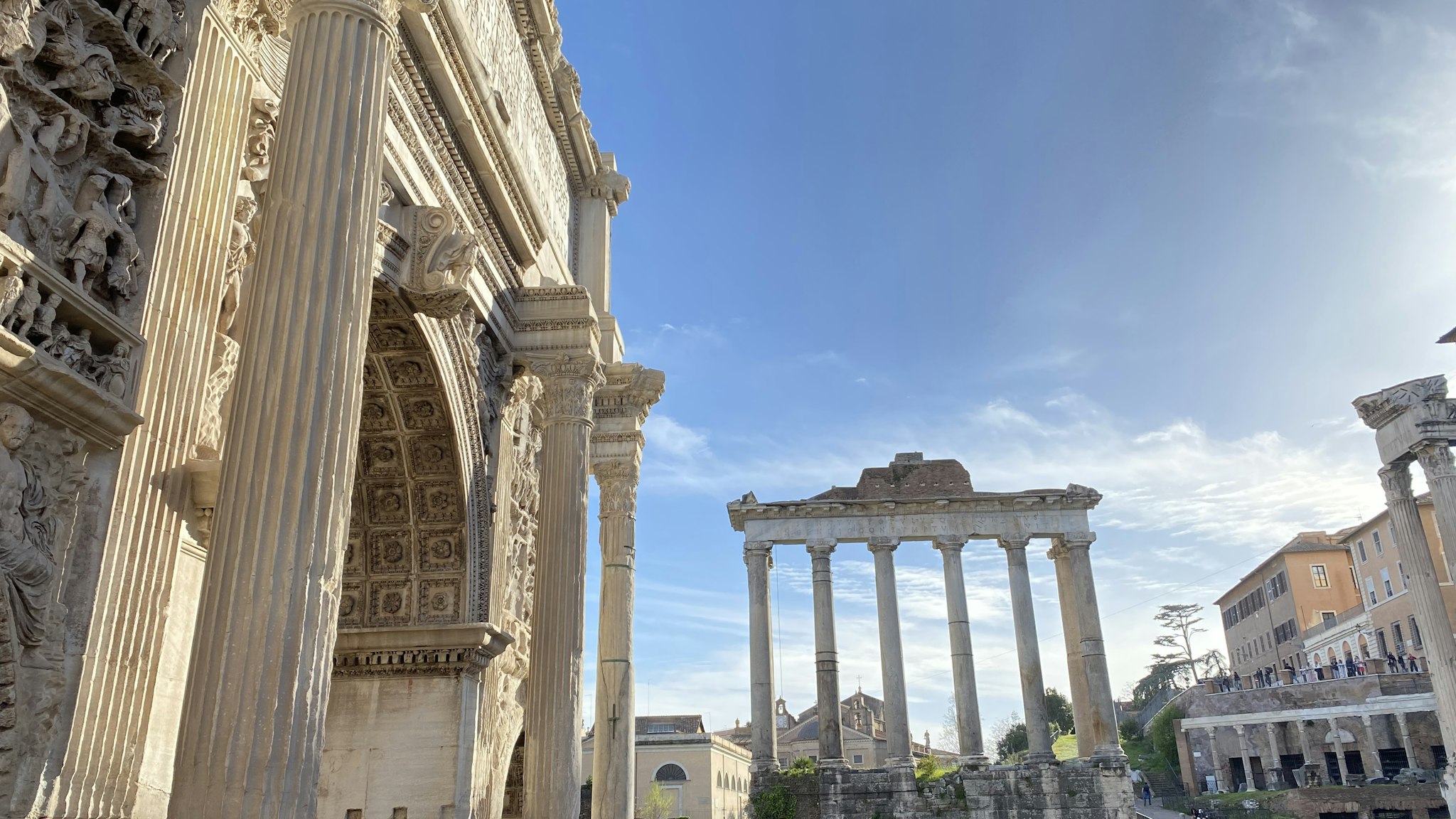
You do not choose the obstacle. You only choose what it becomes.
Notice what he never promises. He does not say the obstruction will turn out to be a blessing, or that the route around it will be faster. Water going around a boulder is not winning. It is still moving. That is the whole claim, and it is enough.
In the operator’s seat
Most of the friction in running an agency or a portfolio of rentals is not the market. It is a person. The client who sits on approvals. The partner who rewrites the brief after the build. The contractor who does not show up. I have written before about difficult clients as information. Marcus goes one step further: they are the assignment.
The amateur treats each one as an interruption to the real work. The operator notices that the person is the real work today. Reserve it in the plan: we launch Friday, if approvals land. When they do not, the stall is not a failure of the plan. It is the next job. Write the approval process that stops it happening twice. The obstruction becomes the system.
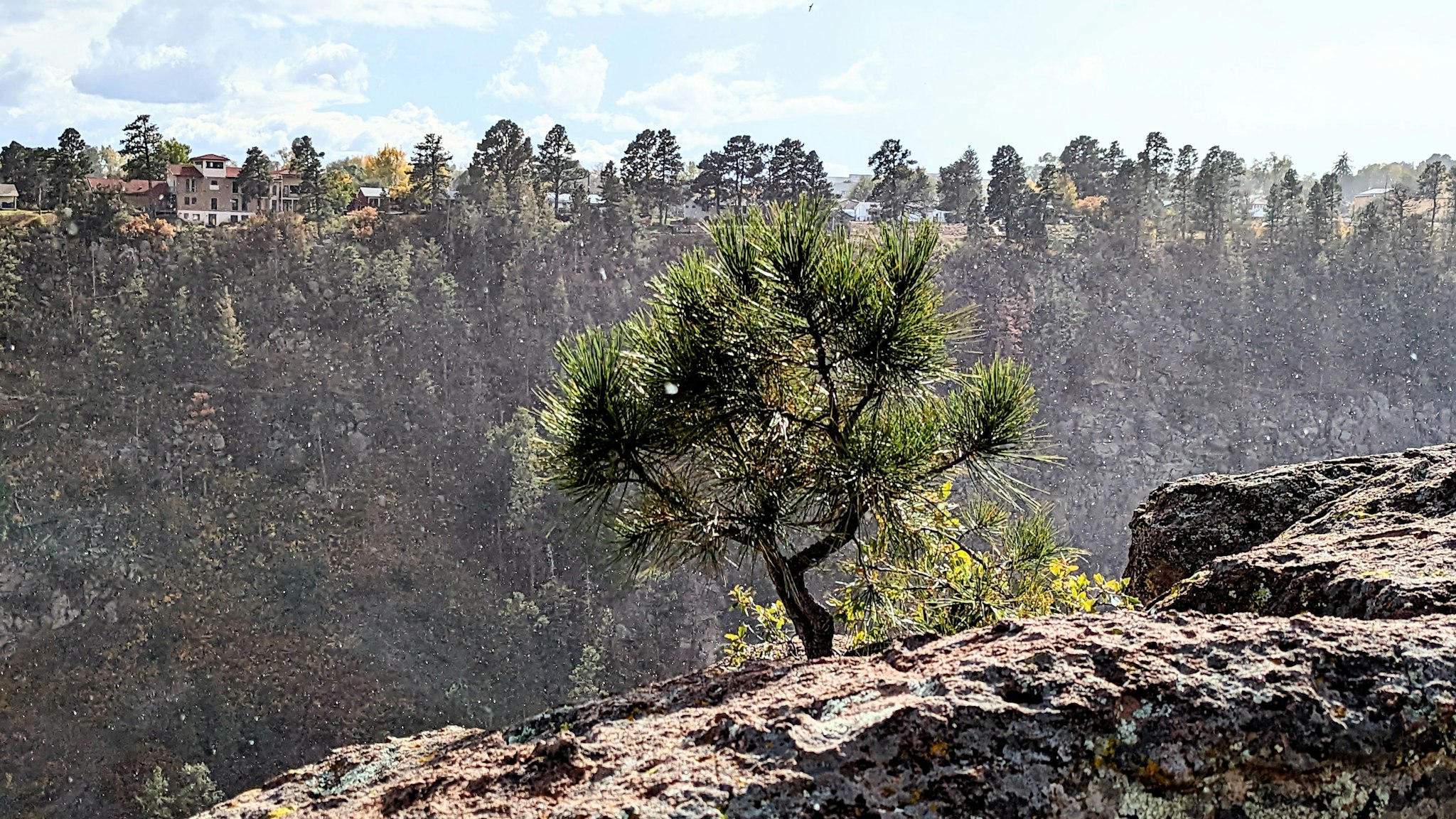
Constraints work the same way at scale. A strict licensing regime, a small city, an expensive labour market: each one blocks you, and each one blocks everyone who will not do the work to get through it. The wall you resent is also the moat.
Solomon compressed it in Proverbs 16: a man plans his road, and something larger orders his steps. Plan the road. Hold the steps loosely.
The practice
Write tomorrow’s three most important actions with the clause attached. When one gets blocked, ask one question before reacting: what does this now let me practise? Patience, clarity, a better process, a harder conversation. There is always an answer. Finding it is the exercise.
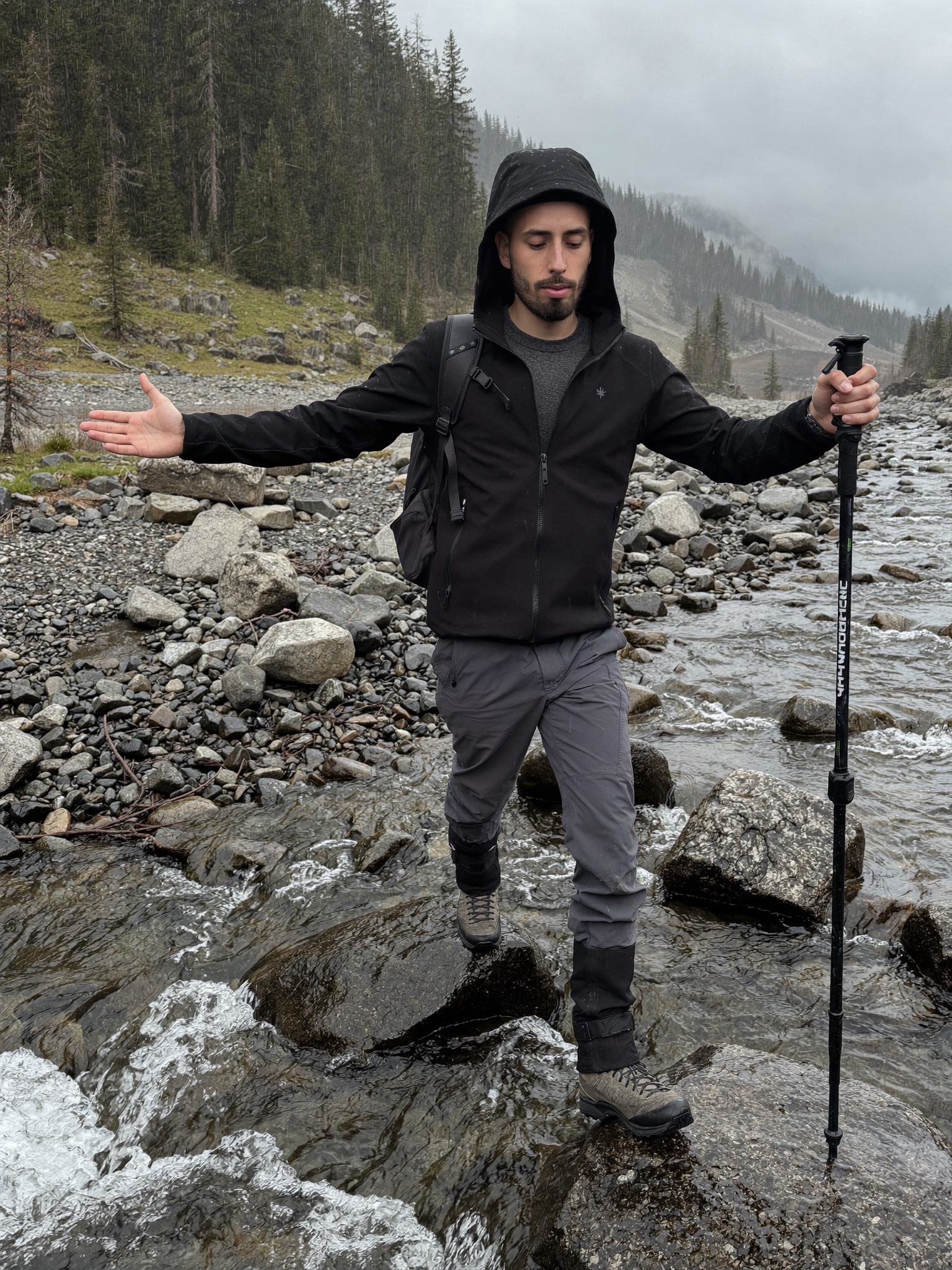
Aim at the act, not the result, and nobody standing in your way can stop you from completing it.