
Legacy & Lineage
In 1845 the Royal Navy sent Sir John Franklin into the Arctic with two ships, 129 men and three years of provisions, much of it sealed in tins. In the same years a Hudson’s Bay Company surgeon from Orkney was learning to walk on snowshoes. Only one of those was a serious technology investment.
The most advanced equipment in the Arctic was already there. It just was not British.
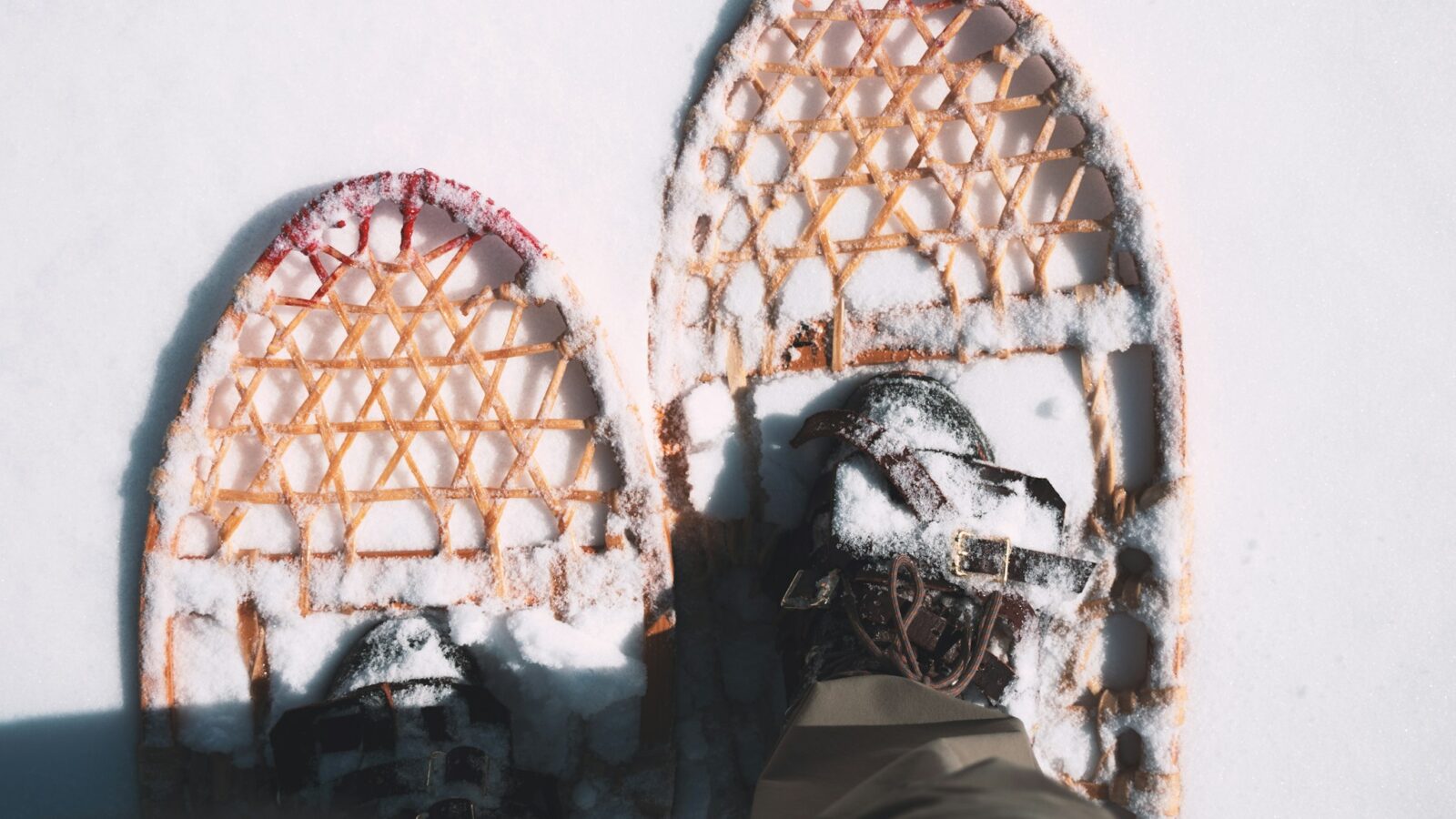
Dr. John Rae joined the Company in 1833 and spent roughly a decade at Moose Factory on James Bay. He was a doctor by training and a student by temperament. He learned to snowshoe, to hunt and to travel in winter from the Cree hunters around the post. Later, further north, he learned to build a snow house from the Inuit.
None of that was romance. It was procurement. He looked at what the country demanded, looked at who was already meeting the demand, and adopted their kit without needing it to be his own idea.
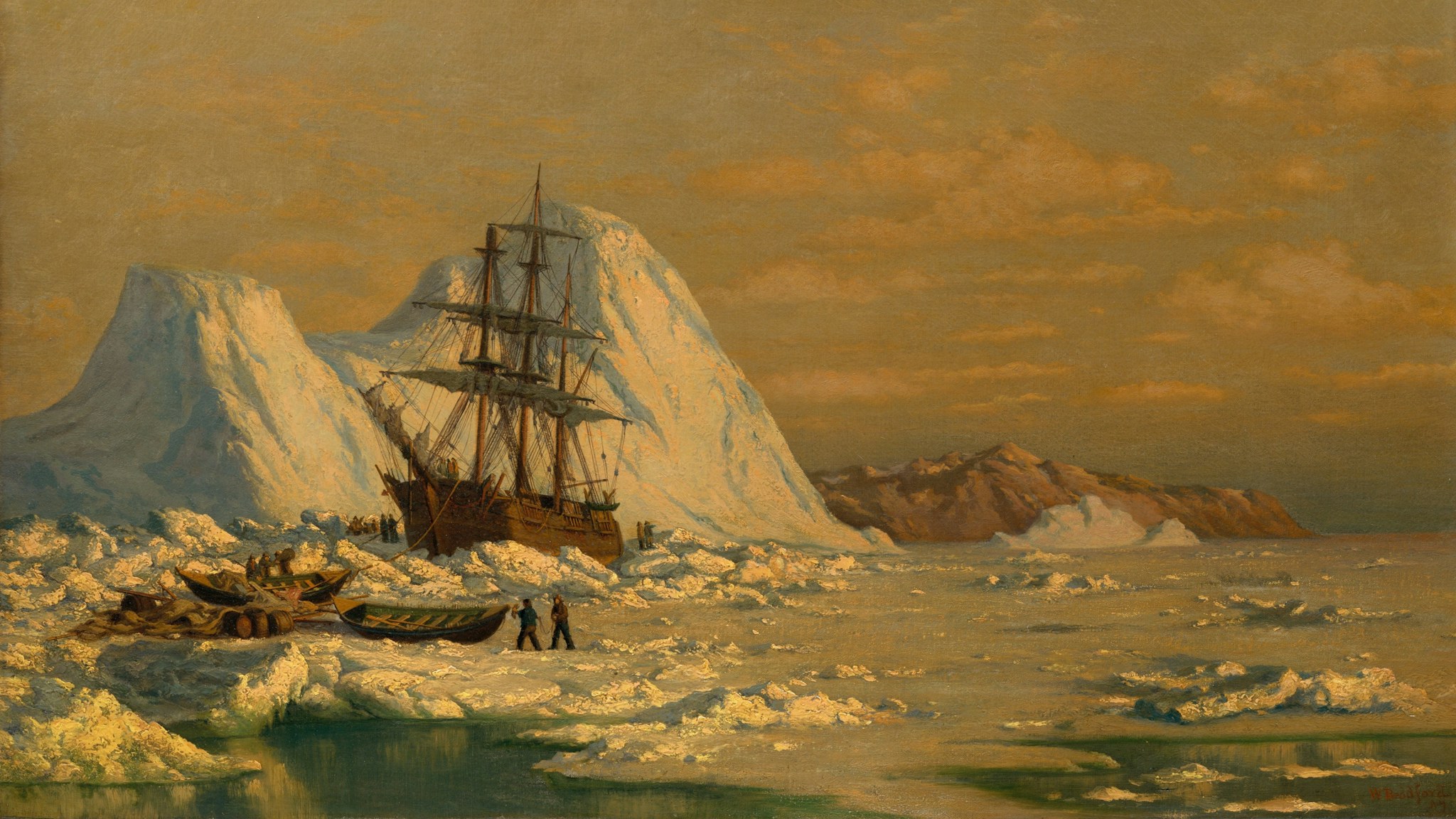
The Navy’s theory was to export England. Wool uniforms, heavy sledges hauled by the men themselves, canvas tents, and enough stored food to never depend on the land being crossed. Every item was the best available in London. That was the flaw. It had been tested in London.
Rae’s theory ran the other way. In 1846 he took a small party north to Repulse Bay and wintered there, feeding it largely by hunting. A snow house weighs nothing, because you do not carry it. A party that can feed itself has no supply line to break. He travelled light because the method made the weight unnecessary, not because he was brave about going without.
Why the outsider’s kit fails
Imported equipment carries imported assumptions. The tinned food assumed the ship would always be within reach. The heavy sledge assumed manpower was cheap. The whole design assumed the environment would hold still long enough for the plan to work. None of those assumptions were visible to the men who made them, which is what makes an assumption dangerous.
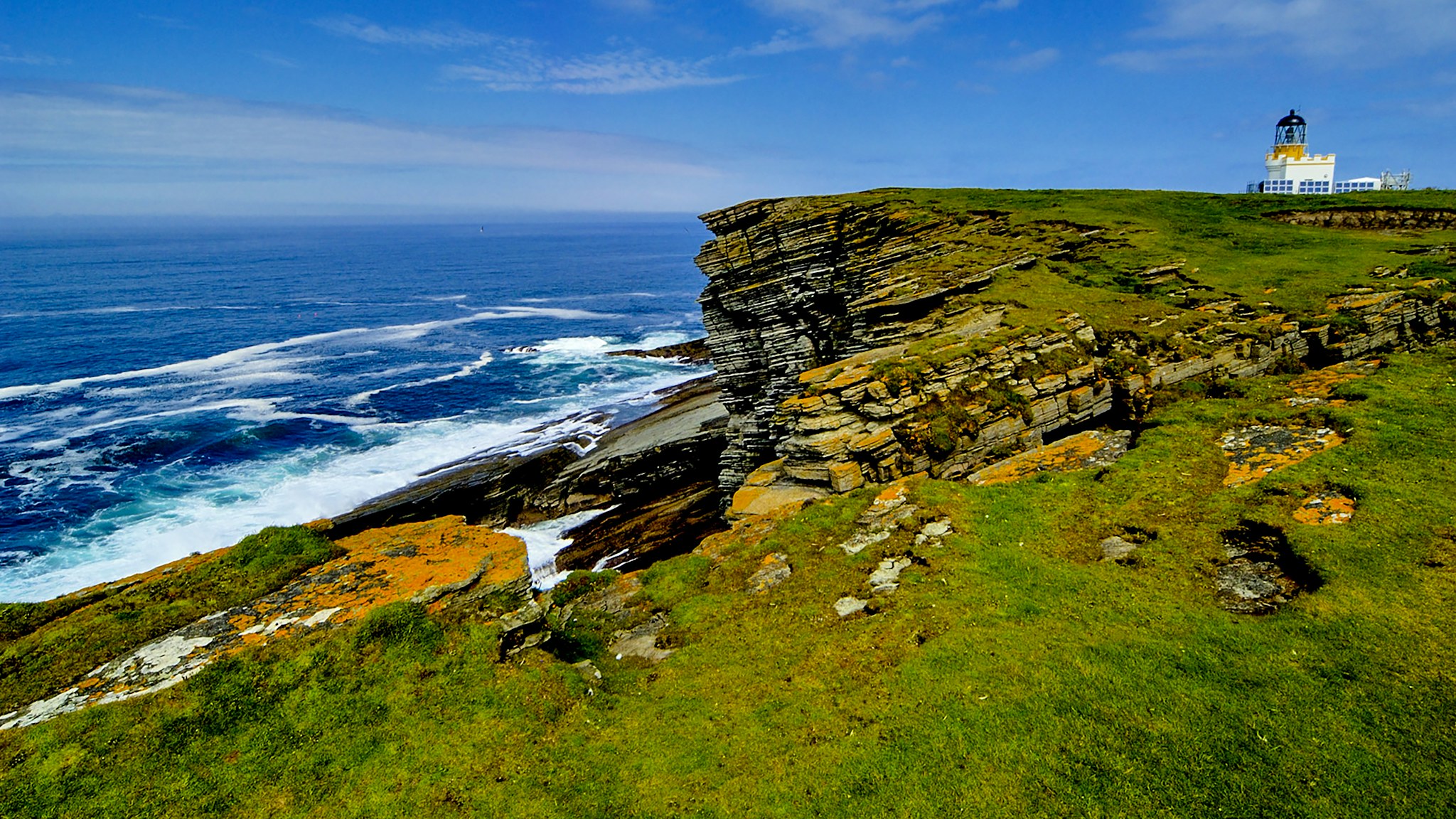
Rae had an advantage that is easy to miss. He grew up in Orkney, in small boats and on open hills, and an island teaches you early that the weather has no interest in your plan. He arrived in Rupert’s Land without the belief that rank outranks ice. The Company kept recruiting from those islands for exactly that reason.
Pride is a freight cost. It makes you carry what the locals stopped carrying generations ago.
The operator’s version
Every market you enter already has people who solved it. They are rarely impressive on paper. They do not have your tools, your deck or your vocabulary. They have something better, which is a method the territory has already tried to kill and failed.
I have worked on short-term rental brands in Tulum and in Alberta, and the assumptions do not travel between them. What a guest fears, what breaks, who actually answers the phone, how trust gets built: all of it is local. The fastest way into a new place is to find who already operates there and ask what they stopped doing. The list of things they dropped is worth more than the list of things they use.
Solomon put it in one line: “He that walketh with wise men shall be wise.” The verse does not say the wise will share your accent or your credentials. It says walk with them.
Rae did not out-equip the Navy. He out-learned it.
In 1854 it was Inuit testimony that told Rae what had become of Franklin’s men, and on the same journey he charted the strait that now carries his name. Both results came from one habit. He treated the people who lived there as the experts, because they were. I wrote about what that honesty cost him in the story of the passage and the credit.
Dr. John Rae sits in my family’s story through the Rae line, and my direct ancestor John Rae Hamilton carried the name forward. What I take from the explorer is not the map. It is the method: arrive humble, copy what works, and keep only the weight that earns its place.
The best technology in any territory belongs to the people who never had the option of leaving. Learn theirs before you ship your own.