Psychology
Socrates sold nothing and convinced a civilization. He never wrote a book, never built a platform, and never made a claim he could get the other man to make instead. He asked questions until the person across from him heard his own reasoning out loud and flinched.
A claim invites an argument. A question invites an audit.
Watch what happens on a sales call when you make a claim. You need a rebuild. The brain on the other end does not evaluate that. It defends. The moment a conclusion arrives from outside, the listener’s first job is to protect the position he already holds, because agreeing means he was wrong before you showed up.
Now ask instead. What happens to the business if the site stays exactly as it is for another year. Same conclusion available at the end of it, different author. And a conclusion someone writes himself does not need defending, because there is nobody to defend it against.

This is the whole mechanism, and it is older than every sales methodology that gets sold back to you as proprietary. Socrates called it elenchus. You take the position the person states, you ask what follows from it, and you keep asking until the contradiction surfaces on its own. He did not refute people. He let them refute themselves, then watched what they did about it.
The reason it works is not rhetorical, it is psychological. People hold self-generated reasons far harder than reasons handed to them. A reason you were given is on loan. A reason you produced is yours, and you will fight for it, including when the thing you are fighting for is buying what I sell.
What this looks like in a real call
On an agency discovery call, most founders in real estate, short-term rentals, and Web3 arrive with the solution already written. They want a website, a rebrand, a funnel. The request is the symptom. If I accept the request and quote it, I am an order taker competing on price. If I argue with it, I am a stranger telling a founder he misread his own business.
So the call runs on questions. What is the actual sequence a buyer moves through before they pay you. Where in that sequence do they stop. What did you change last, and what happened after. How many of last month’s leads could a better page have closed, and how many were never going to close at all.

Somewhere in that sequence the founder says the thing out loud. The problem is not the website, the problem is that nothing follows the form. Now the scope is correct, the price is justified by his own framing, and the proposal is closer to a transcript than a pitch.
The best outcome of a discovery call is that you said less than half of it.
Where it fails
Two ways this goes wrong.
The first is interrogation. Ten questions with no stake in the answers reads as a script, and people can feel a script. Socrates asked few questions and actually wanted the answers. Curiosity is the load-bearing part. Technique without it is just a slower claim.
The second is using questions as a trap. If the questions are a maze you built to walk somebody into a yes, that is not Socratic work, it is manipulation with better manners, and the client finds out during delivery when the thing you sold does not match the thing they needed. That bill always arrives.

The honest version carries a cost. Sometimes the questions lead somewhere you did not want them to go, which is that the prospect does not need you yet. You ask what happens if they do nothing for a year and the truthful answer is: not much. Then you say so, and you do not take the money.
The habit under the method
Socrates’ real discipline was not questioning other people. It was questioning himself first, in public, for free, for decades, and never writing a word of it down.
“The unexamined life is not worth living.” Plato, Apology
Most founders examine the market and skip the premises. Why this offer, why this price, why this channel, why do I still believe the line I have repeated on every call for two years. Nobody asks you those, so they go unasked, and unexamined premises run a business the same way they run a life. Quietly, and completely.

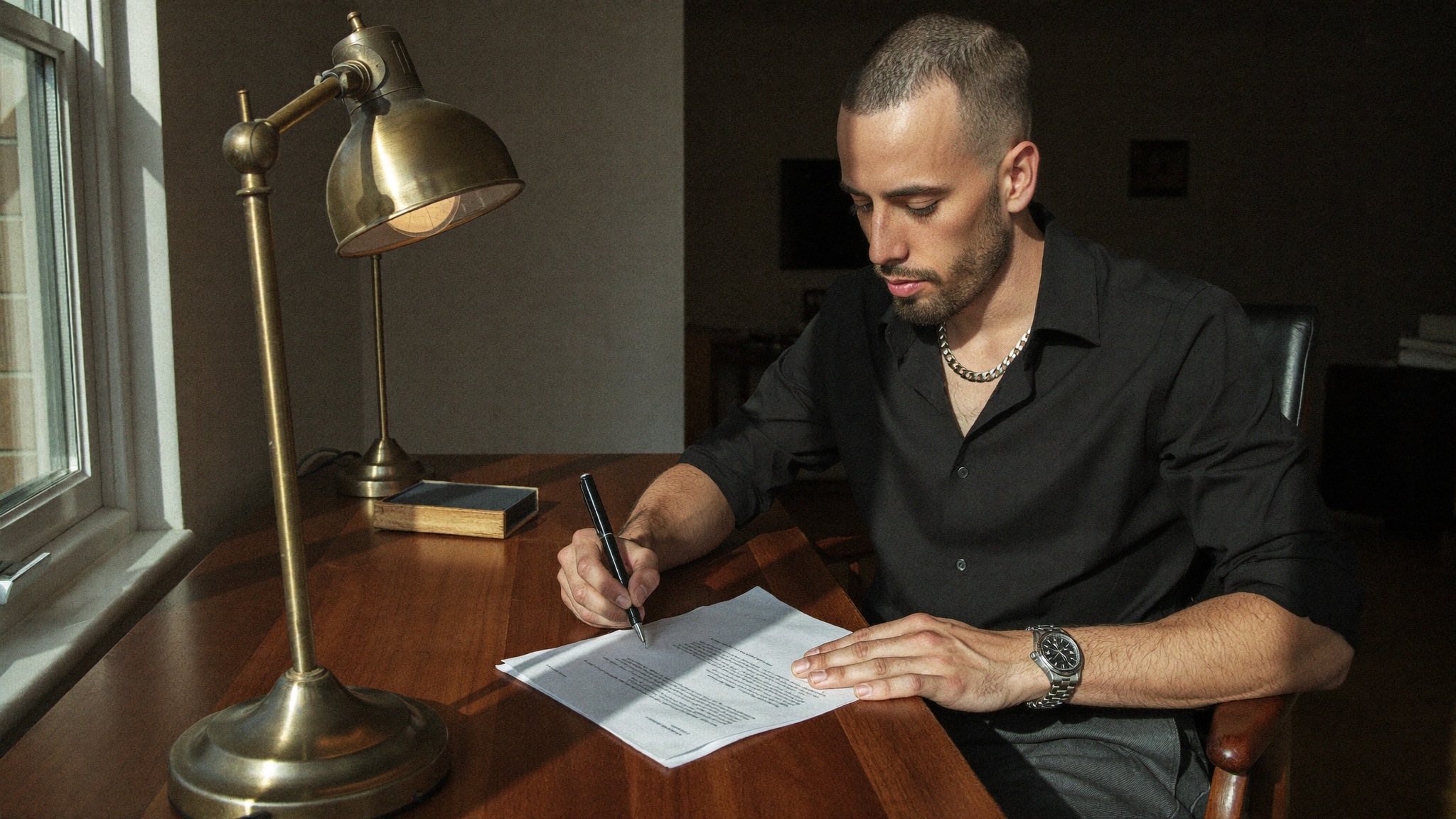
You do not persuade people. You ask the question that lets them persuade themselves, and the only way to ask it honestly is to have asked it of yourself first.