
Founder Notes
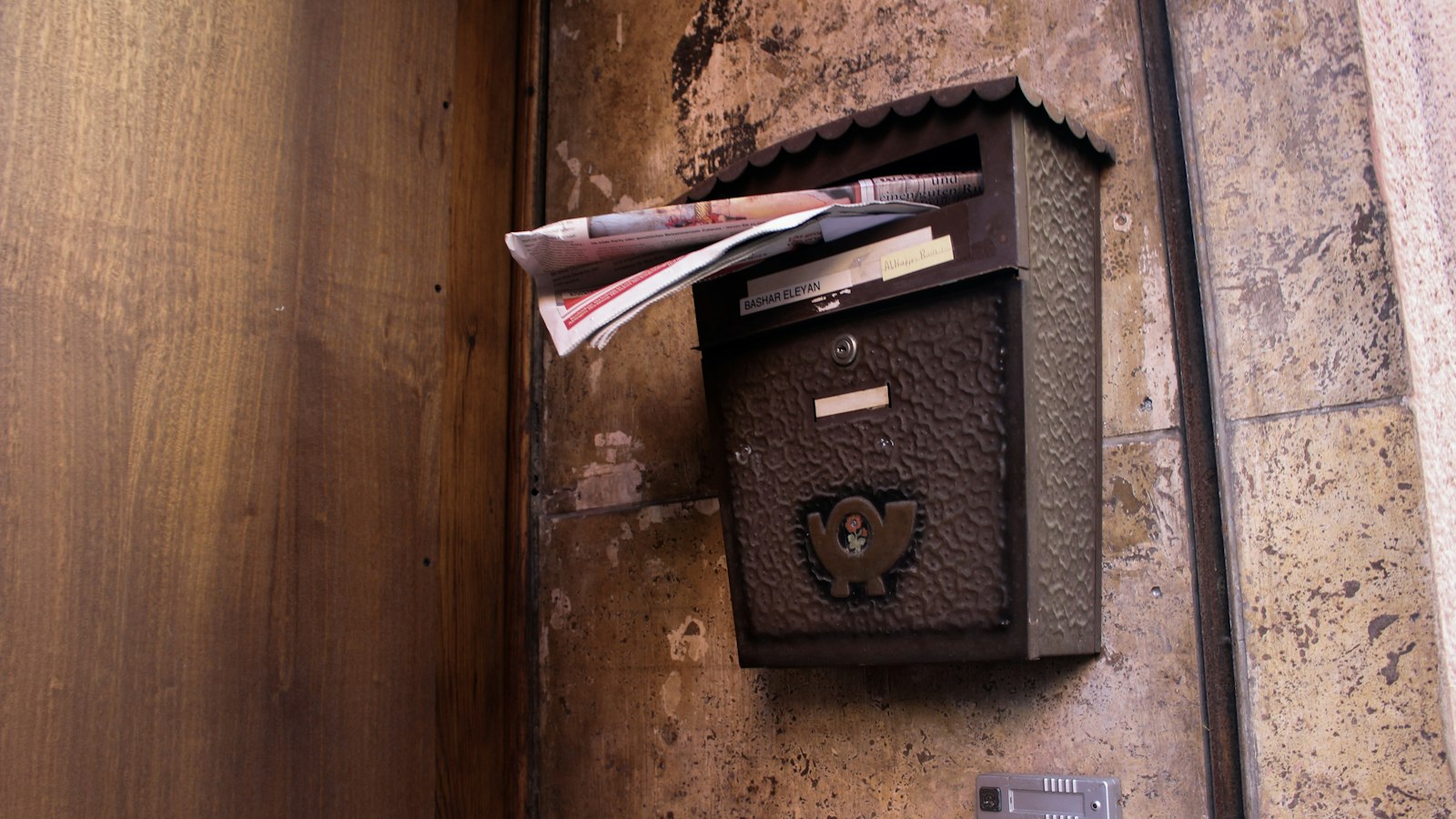
Your inbox is a to-do list that other people write for you. It arrives sorted by when they hit send, not by what your business needs. Open it first and you have handed the best hour of the day to whoever typed fastest.
The inbox is sorted by arrival. Your business is not.
Brian Tracy built a whole book on one instruction: eat that frog. Find the largest, most avoided task on the list and do it first, before email, before anything. If there are two, start with the uglier one.
It sounds like a productivity tip. It is a sequencing decision, and sequencing is strategy at the scale of a single day.
What the frog actually is
In a service business the frog is almost never urgent. Nobody emails to ask where your pricing page rewrite is. No client follows up on the case study you have not written, the offer you have not tested, or the page that would rank if it existed.
The work that builds the asset has no sender, so it never shows up in the queue.
Reactive work has the opposite property. It comes with a name, a timestamp and a small social debt. Answering it feels like progress because somebody says thank you. That is how a founder clears every message by noon and ends the quarter with the same pipeline.
Urgent work has a sender. Important work has to be assigned by you.
What the chair taught me
I learned this in a barbershop. I cut hair at South Trail Crossing in Calgary, a shop with more than twenty barbers and walk-in traffic that never stopped.
In a walk-in shop the door decides your day. Whoever sits down next is the next task. You can be fully booked by the queue and still build nothing, because the queue belongs to the shop.
The work that mattered there was building repeat clientele against that current. Nobody in the waiting area asked for it, and it was the only part of the job that compounded. It is the same reason saying no is a growth decision. An inbox is that waiting area with better lighting.

The rule
Three parts. None of them clever.
Name the frog the night before, in writing, in one line. A morning that starts with choosing has already spent its best attention on a decision.
One frog. A list of five hard things is a menu, and a menu invites you to order the easiest dish.
The inbox stays shut until the frog is done or a fixed block has passed. Not forever. Clients deserve fast answers, and they get better ones from someone who has already moved the business forward that day. A routine protects the block. The frog decides what goes in it.

Decide at night. Execute in the morning. Reply after.
The old version
Solomon gave the same order of operations for a different economy: Prepare thy work without, and make it fit for thyself in the field; and afterwards build thine house.
Field first: the thing that produces. House second: the thing that is comfortable to work on. Email is the house.
Nobody wraps their hands hoping the heavy bag goes easy. You take the hard round first because it is the only round that will never get done by accident.

What you do first is what you actually believe matters. The rest is correspondence.