Crypto
Minting a token against a building takes weeks. Finding the second buyer for that token can take forever. The industry keeps celebrating the first event and ignoring the second.
A token nobody can sell is a receipt, not an asset.
Real-world asset tokenization gets pitched as a technology breakthrough. Put the deed on a chain, split it into fractions, let anyone own a piece. That part works. Smart contracts, custody, compliance wrappers: all solved well enough to ship.
What is not solved is the exit. Fractional ownership only matters if a fraction can change hands at a fair price, on an ordinary day, without the issuer arranging it. That is liquidity, and it does not come from code. It comes from other people wanting in at the same moment you want out.

The first share market
The Dutch East India Company ran into this in 1602. It raised money from the public and then refused to give it back. Investors could not pull their capital out of the company. The money was committed to voyages that took years to come home.
So holders did the only thing left to them. They sold to each other. That workaround became a market, and within a decade Amsterdam had built a dedicated exchange for it. A share that could not be cashed in became one of the most tradable pieces of paper in Europe.

Notice the order. The asset came first, the register second, and the market third, built by people who needed an exit. Nobody minted liquidity. It gathered around a shared place, a shared price, and enough participants that a seller could find a buyer before lunch.
The company did not create liquidity. It created a reason for strangers to meet.
Where tokenization stalls
Most RWA projects today have the share and none of the exchange. The token exists. The venue does not. Holders sit on a claim that is technically transferable and practically frozen, because the order book is empty.
I design brands and product surfaces for Web3 teams, including QUBI DAO’s platform for tokenized real-world assets. The front door is the easy commission: a clean landing page, a clear yield story, a smooth mint. The harder design problem sits behind it. What does a holder see on the day they want out?
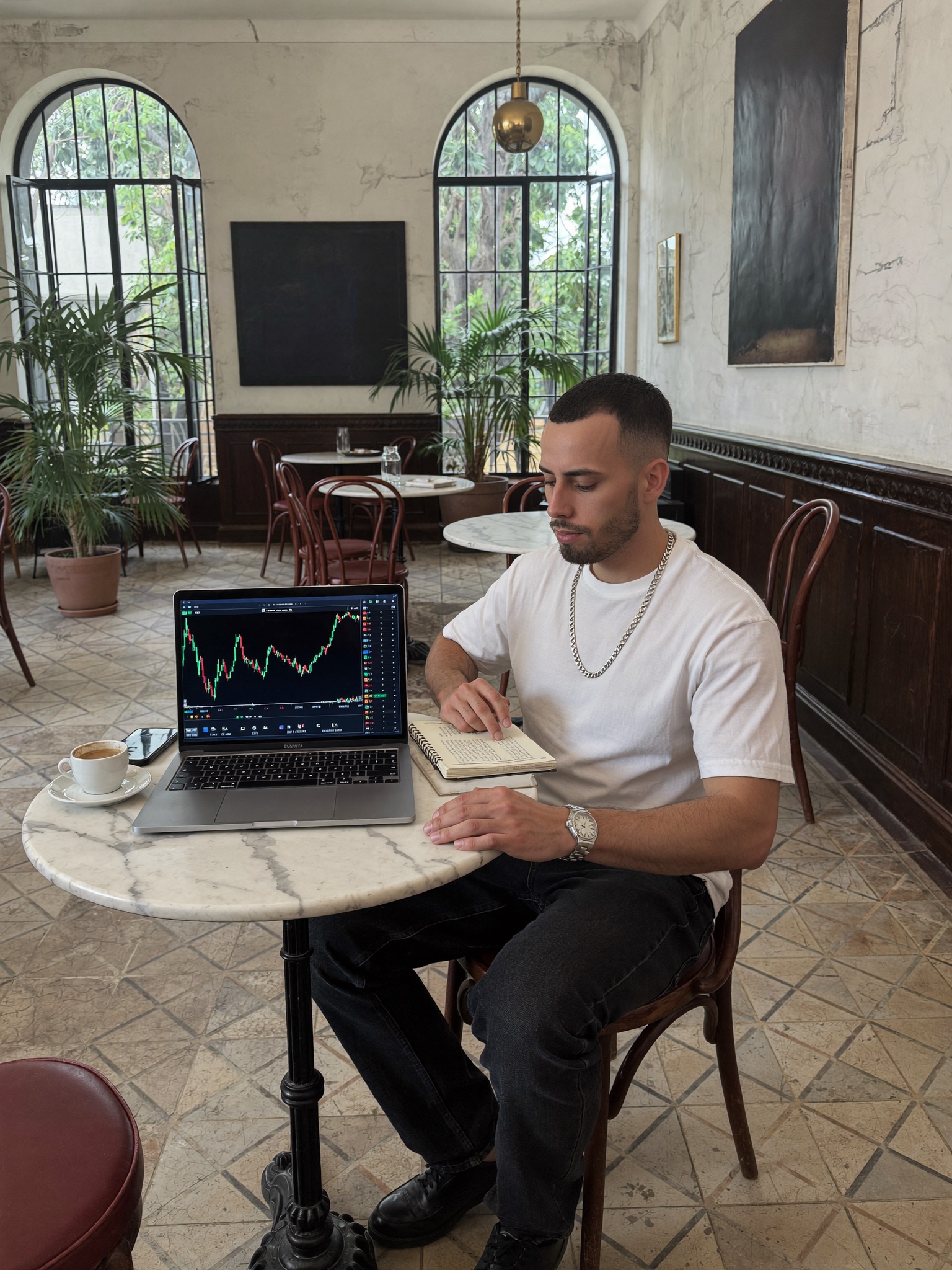
Solomon described price discovery in one line: “It is naught, it is naught, saith the buyer: but when he is gone his way, then he boasteth” (Proverbs 20:14). A price is an argument between two people who both showed up. Remove the second person and there is no price, only an appraisal.
An appraisal is an opinion. A price is a transaction.
What to build instead
Run short-term rentals and you learn this early. A property can earn every night and still take months to sell. The income is liquid. The asset is not. Tokenizing it does not change the building. It changes who can own it, and only if someone is standing on the other side of the trade.

So the operator question for any tokenized asset is not “can we mint it?” It is three quieter ones. Where does the second buyer come from? Who makes a market when nobody else will? What does the holder get if the market never arrives: redemption, a buyback, distributions they can live on?
Mass adoption on Solana will not come from cheaper minting. Minting is already cheap. It will come from the unglamorous machinery that lets a fraction of a real asset move the way a stablecoin moves today: venues, market makers, clear redemption terms, and enough holders that a sale is routine instead of an event.
That is less exciting than a launch. It is also the whole product.
Anyone can make an asset divisible. Only a market makes it liquid. Build the market, or you have only built the receipt.