Psychology
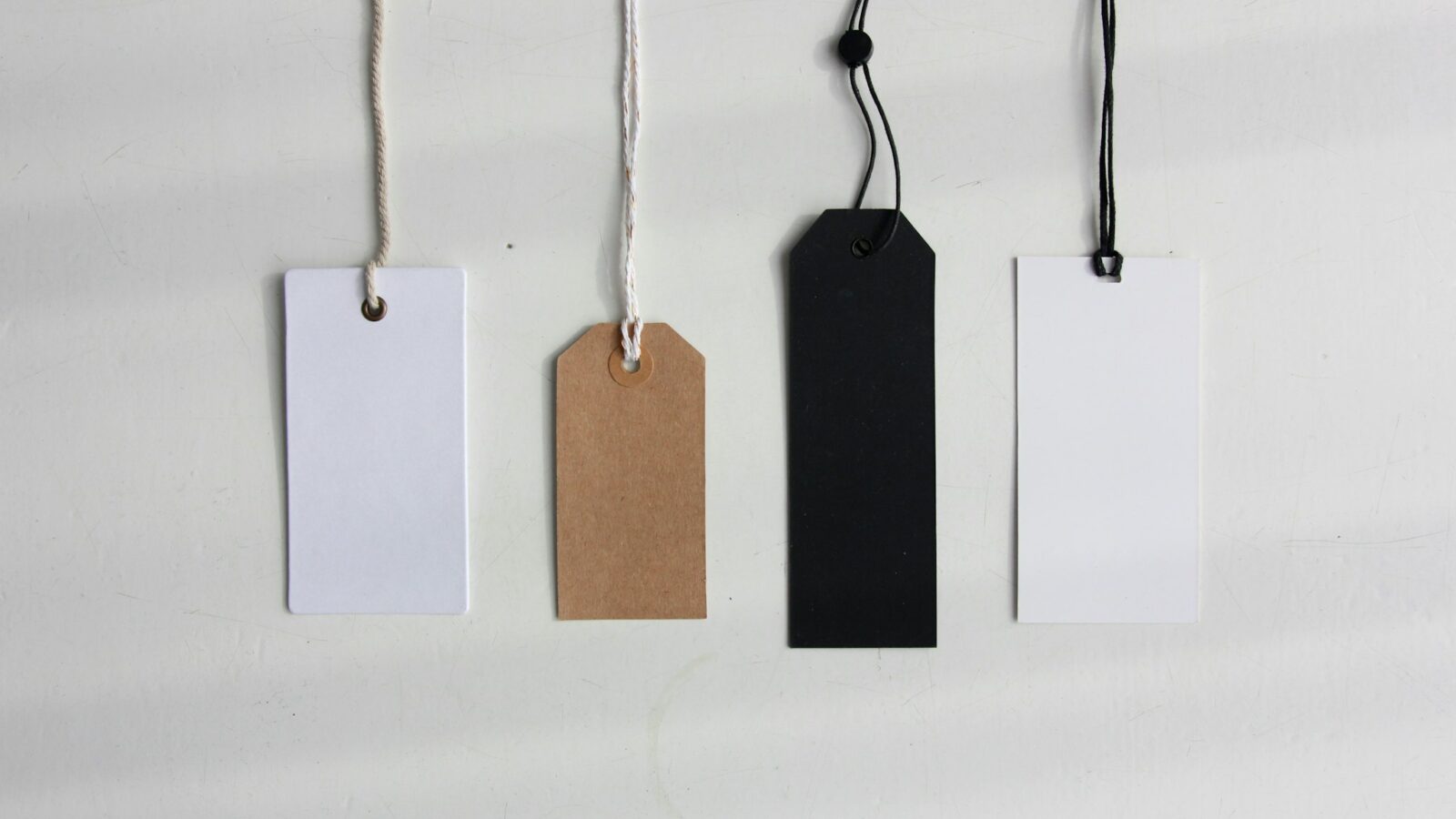
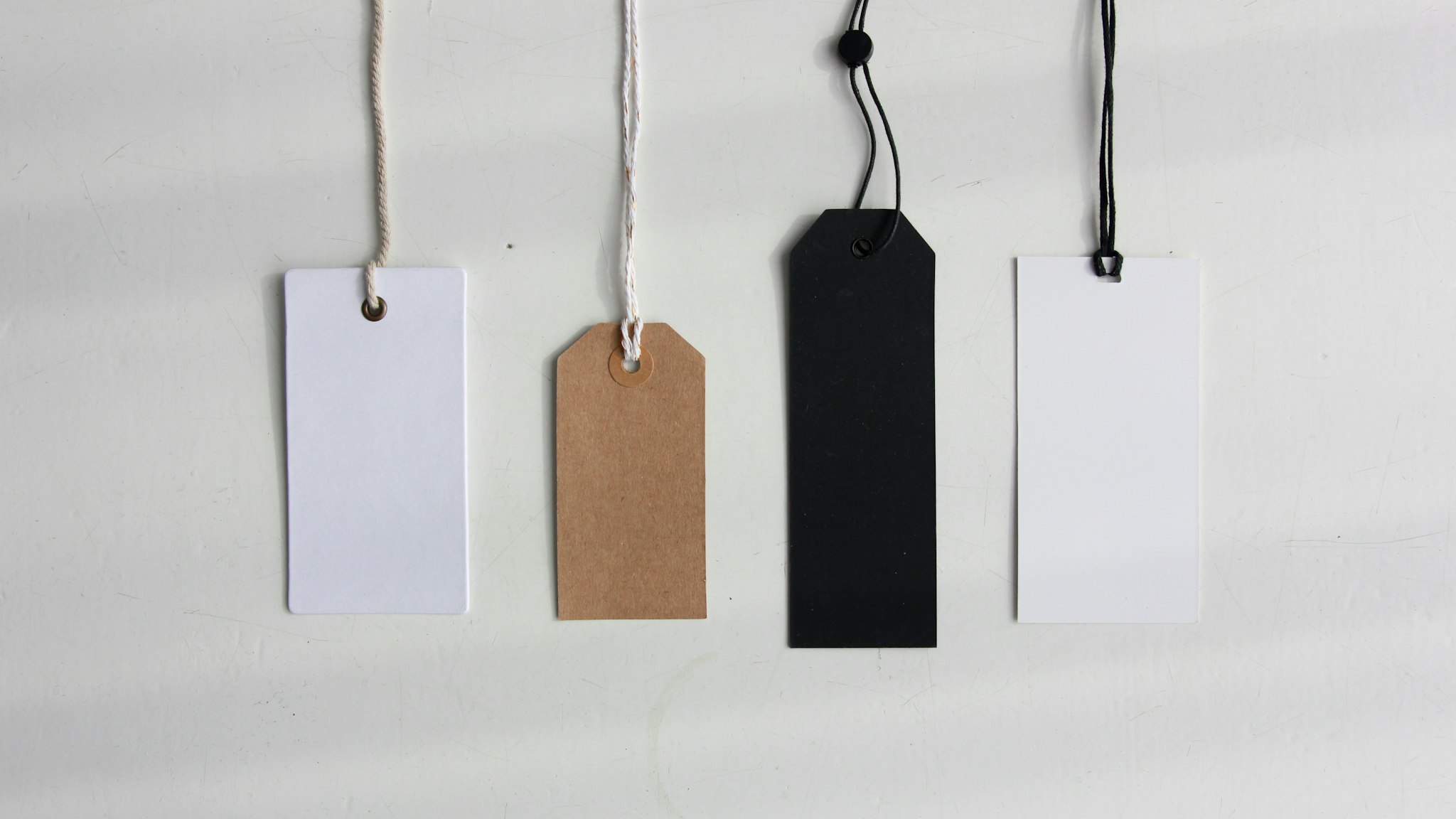
In 1861 John Wanamaker opened a men’s clothing store called Oak Hall at Sixth and Market in Philadelphia. Retail at the time ran on haggling. Two customers walked out with the same coat at different prices depending on how hard they pushed and how well the clerk read them. Wanamaker put a tag on everything and ran the place on one house rule.
“One price and goods returnable.”
That is the whole innovation, and it is not really about pricing. He did not undercut anybody. He removed the conversation that made the number feel like an opening bid, and then he removed the risk of being wrong about it.
A hundred and sixty years later, most founders still run the old shop. They publish a number that behaves like an opening bid, and then they are surprised when buyers treat it as one.
The objection is a report
Here is the part that takes a while to accept. When somebody says the price is too high, they are almost never reporting a comparison between your number and a budget. They are reporting a feeling of uncertainty, and price is the only word available to describe it.
Uncertainty about what they are actually getting. Uncertainty about what happens if it goes badly. Uncertainty about how they will justify it to a partner, a board, or a spouse. All of that arrives at the table wearing the same three words.
Price is the only vocabulary most buyers have for doubt.
Decode the five you hear most and the pattern is obvious.
“It’s too expensive.” I cannot see what I am getting. The scope is a paragraph and the number is specific, so the number is the only thing I can grip.
“I need to think about it.” You have not given me anything I can repeat to the person I answer to. Nobody walks into their partner’s office and says the founder seemed sharp.
“Can you do it for less?” I do not know what happens if this fails. I am trying to cap my downside because you have not capped it for me.
“We’re getting a few other quotes.” Nothing in your offer is distinguishable, so I am reduced to sorting by the one field that differs.
“It’s not in the budget this quarter.” This is not a priority. That is a positioning problem and it has nothing to do with your rate.
Discount any of those and you answer the wrong question. Worse, you confirm that the original number was fiction, which tells the buyer that everything else you said might be too. The number was never the message. Your price is copy, and a discount rewrites it in front of them.
The barbershop taught me this first
Between 2017 and 2019 I cut hair at South Trail Crossing, the largest barbershop in Canada. Twenty-plus barbers, constant walk-in traffic, a posted price list on the wall. In two and a half years of that volume, almost nobody negotiated the price of a haircut.
Same room, same list, same number, and yet the rebook rates between chairs were not remotely the same. The variable was never price. It was whether the client could see what he was going to get and believe it would happen again next time.
That is the entire lesson, learned at high volume before I had the language for it. Price resistance is a function of visible outcome and perceived risk, not of the amount. Walk into a room where both of those are handled and the number stops being the topic. Walk into a room where neither is handled and no number is low enough.

No price is low enough to fix an invisible outcome.
Moving from the chair to an agency, the objections got longer and the mechanism stayed identical. A vague proposal produces price objections. A specific one produces scheduling questions. That is also why the proposal should be shorter than the call: length is not specificity, and buyers read padding as hedging.
Wanamaker shipped both halves
The reason the Oak Hall rule worked is that it was two commitments, not one, and people usually remember the wrong half.
The fixed price removed the negotiation. Goods returnable removed the risk. Either one alone fails. A firm price with no recourse reads as arrogance. A generous return policy on a number that moves reads as a shell game. Together they say something specific: this is what it costs, and if we are wrong about the fit, you are not carrying that.
The operator translation is not complicated. Publish the number and stop moving it. Put the deliverable in writing at a level of detail the buyer could read aloud to somebody else. Define what a failed engagement looks like and say in advance what happens in that case. Give the buyer a sentence they can repeat when you are not in the room, because that sentence is doing the selling in the forty-eight hours you do not control.
Then, when an objection still comes, treat it as instrumentation rather than as resistance. Which of the five is it actually? Fix the thing it is reporting. Leave the number alone.
What to do with the next one
The next time somebody pushes on price, resist the reflex to defend the figure or shave it. Ask what specifically they would need to see to be comfortable. The answer almost never contains a dollar amount. It contains a missing piece of scope, a missing guarantee, or a missing way to explain the decision upward.
Then decide whether that gap is worth closing. Sometimes it is not, and the honest outcome is that this buyer is not yours. That is a clean loss and it is cheap. A discounted client who still does not understand what they bought is an expensive one, and you will pay for it for months, mostly because you will keep defending the decision to yourself. That is the sunk cost trap arriving early, dressed as a win.

A price nobody argues with is not a cheap price. It is a clear one.