Property Operations
The first double booking teaches you what a channel manager is for. Nobody needs the lesson twice.
Hostaway is a channel manager for short term rentals. It holds one master calendar and pushes it to Airbnb, Vrbo, Booking.com and a direct booking site at the same time, so the same night cannot sell twice. For an operator running more than two listings, that single job is the entire reason the software exists.
A channel manager does not make you money. It removes one specific way of losing it.
Everything else in the product, the unified inbox, the automated messaging, the reporting dashboards, sits downstream of that one job. Useful. Not the reason you bought it.
I run it inside Wise STR Group, and I have built direct booking systems around it for other operators, including the direct booking strategy I led at Nomadics, one of Western Canada’s larger short term rental operations. The pattern repeats. People buy a channel manager because they got burned, not because they planned ahead.

What does Hostaway actually replace?
Before a channel manager, a two listing operator runs two calendars and reconciles them from memory. That works until it does not, and the failure is not gradual. You are fine, you are fine, and then you are messaging a guest at 11pm to explain that the place they already paid for is occupied.
Hostaway replaces the reconciliation. One calendar becomes the source of truth and every channel becomes a mirror of it. Block a date once and it blocks everywhere. That is the trade: you give up granular per platform control, and you get a single record you can trust at 2am without opening three apps.
When is a channel manager the wrong call?
One listing on one platform does not need one. If everything you own is on Airbnb, Hostaway is a subscription solving a problem you do not have. Airbnb is perfectly good at managing Airbnb.
Two listings is the honest threshold, but the real trigger is the second channel rather than the second property. Add Vrbo to a single unit and you have just created the exact overlap a channel manager exists to prevent.

Buy it when the second channel goes live. Not in anticipation, and not three double bookings later.
Software should be bought to close a specific failure, not to feel like an operator.
What does Hostaway cost?
Hostaway quotes per listing on request rather than publishing a price, and the floor assumes a portfolio rather than a single side unit. Treat any number you find in a comparison article as stale and get a current quote directly.
The cost that actually catches people is the migration. Moving live listings onto a channel manager means remapping every rate, every cleaning fee, every minimum stay, every seasonal rule and every discount that currently lives inside Airbnb’s interface. Budget a week of evenings rather than an afternoon. The subscription is the cheap part.
How Hostaway sits in the rest of the stack
Hostaway is not the top of my property stack. Wise STR is. Hostaway owns the calendar and the channel sync. Wise STR owns the property record, which is the thing every other tool reports into: the cleaning schedule, the maintenance history, the hot tub log, the cost of a contractor visit.
That split is deliberate. A channel manager is built to sell nights. It is not built to tell you which unit has quietly eaten three service calls this quarter. Let the channel manager become your system of record and you end up running a business that knows its occupancy and not its margin.
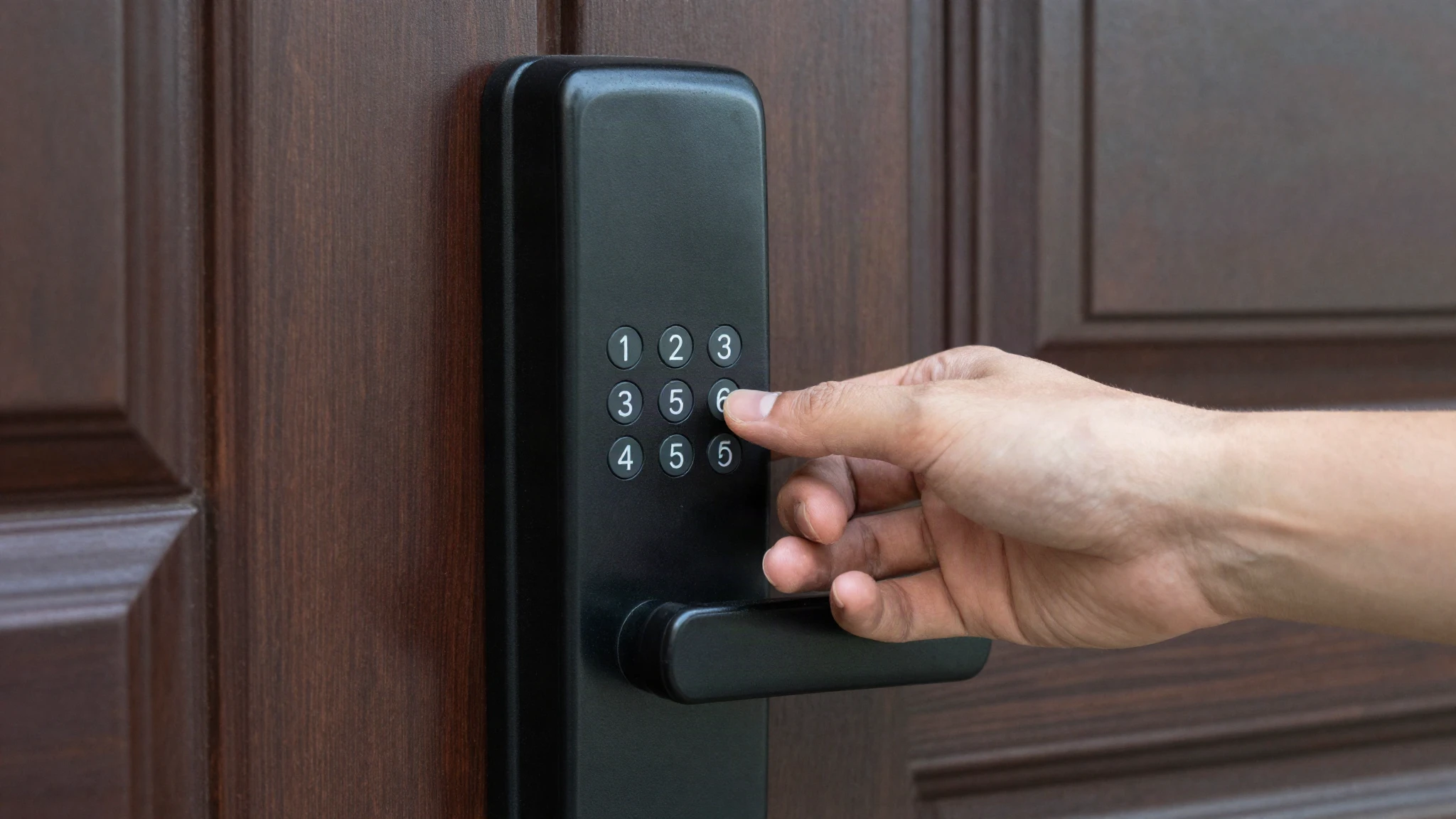
Around it, IGMS handles guest messaging, Minut watches noise and occupancy, Schlage issues the access codes and Ring covers the exterior. The full list is on the uses page. The glue moving records between them is self hosted n8n. Hostaway does not need to do any of those jobs well. It needs to never sell the same night twice.
Occupancy is a vanity number until you know what the night cost you to deliver.
What still breaks?
Sync lag. Every channel manager has it and anyone claiming otherwise is selling one. The window between a booking landing on Airbnb and that block appearing on Vrbo is short, but it is not zero, and a high demand weekend is precisely when two bookings arrive inside it.
The fix is not technical. It is a buffer on your minimum notice period during peak dates. You surrender a small amount of last minute inventory and you stop absorbing the cost of a cancellation you caused yourself.

The second failure is quieter. Automated messaging drifts. A template written for a summer booking goes out in February referencing the patio, and the guest reads it as neglect, because it is. Every automated sequence needs a scheduled review rather than set and forget.
Common questions
What is a channel manager?
A channel manager is software that keeps one master calendar and syncs it across every booking platform a property is listed on, so a night sold on one channel is immediately blocked on the others. Preventing double bookings is its core job.
Do I need Hostaway for a single Airbnb listing?
No. One listing on one platform does not create the overlap a channel manager solves. The trigger is the second sales channel, not the second property.
How much does Hostaway cost?
Hostaway prices per listing by quote rather than publishing rates on its site, and the entry point assumes a portfolio rather than one side unit. Get a current quote directly, because figures in comparison articles go stale quickly.
Is Hostaway better than Guesty?
They solve the same problem and their calendar sync is broadly comparable. Decide on the specific integrations you need and on migration effort, not on feature-count comparisons.
How long does it take to set up Hostaway?
The software connects in an afternoon. Remapping rates, cleaning fees, minimum stays and seasonal rules across live listings realistically takes a week of evenings.

Tools do not run an operation. They remove specific ways an operation fails. Buy them one failure at a time.