Estate & Legacy Planning
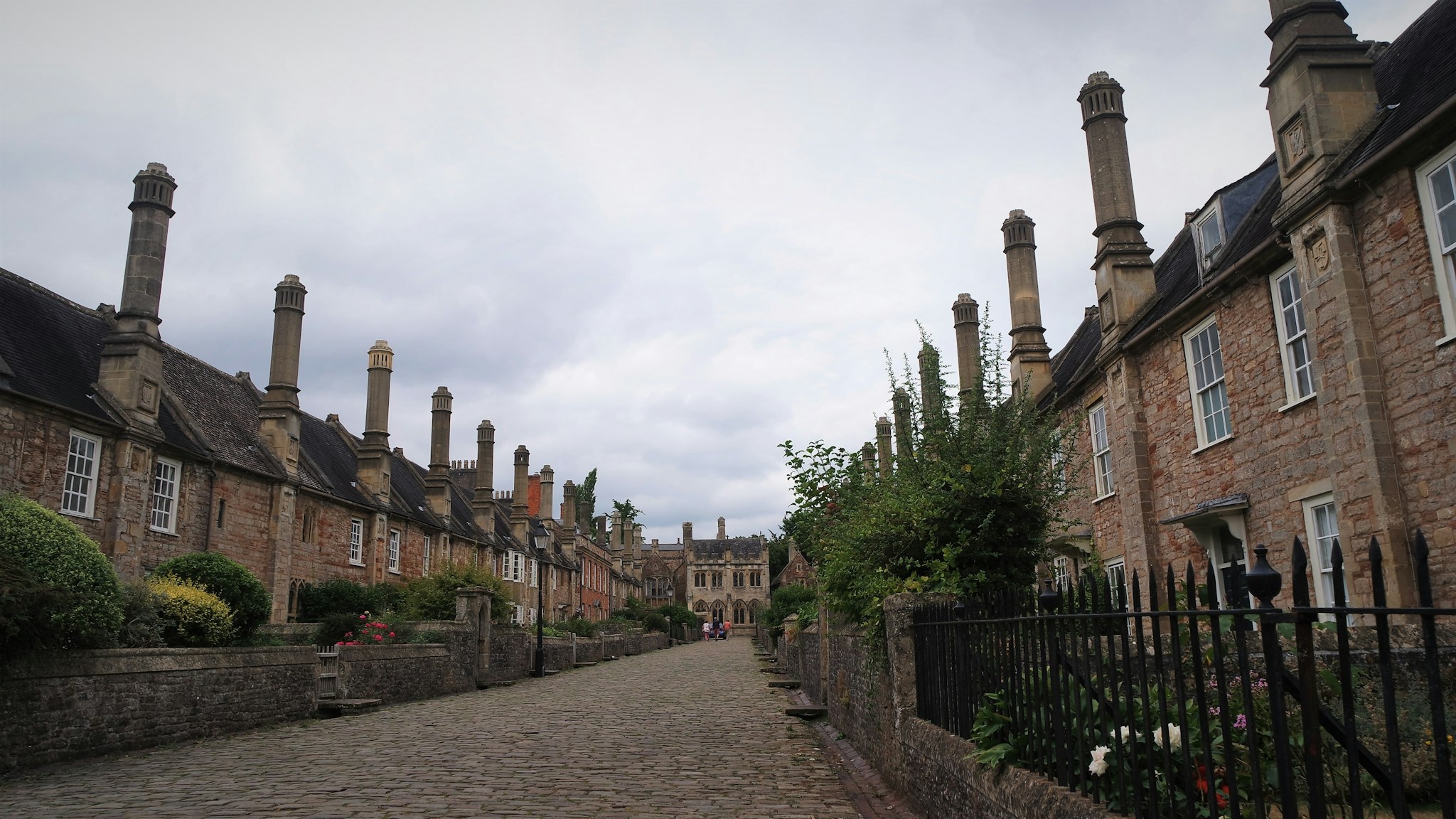
On the twenty third of August, 1521, a merchant in Augsburg signed a deed of foundation for a walled set of houses meant for the city’s working poor. Five hundred and five years later, people still live in them, and the rent is still 88 euro cents a year. Not adjusted. Not renegotiated. The same number.
Capital is what you leave. Conditions are what survives.
Jakob Fugger was the richest man in Europe when he signed it. Construction had started in 1516. By 1521 the Fuggerei held 52 buildings. Today there are 67 buildings, 142 residences and a church, and the place has been operating without a break for half a millennium.
What makes that remarkable is not the generosity. Plenty of wealthy men funded almshouses in the sixteenth century and almost none of those institutions are still running. Fugger’s is. The difference is that he did not leave a gift. He left a set of instructions with a funding engine bolted to it.
The deed said the complex was to exist in perpetuity and to be further developed. Two clauses doing opposite jobs. The first says do not spend it. The second says do not freeze it.
Then came the eligibility rules. A resident had to be a citizen of Augsburg, Catholic, of good repute, and in need while still working to earn. Beggars were excluded deliberately. The foundation’s own framing of the purpose was to provide assistance, not charity, to people in need so they can help themselves.
The rent is a tax clause
The 88 cents is the part everyone repeats and almost nobody reads properly. It is not sentiment. A contract between the Fugger family and the city of Augsburg holds the Fuggerei tax exempt for as long as the annual rent does not exceed one Rhenish guilder. One guilder was roughly a tradesman’s weekly wage in 1521. It converts to about 0.88 euros today.
So the rent is not a kindness. It is a covenant. Raise it and the exemption dies, the cost base changes, and the thing stops working. Fugger tied the price to the tax treatment and then wrote both into the founding document, where no future trustee could quietly improve on it.

Most plans name the beneficiaries. Very few name the conditions. Almost none name the engine.
Somebody has to pay for it
The funding is the unglamorous half, and it is where most legacies actually die. At the start the foundation lived on interest from its endowment capital. Later it lived on proceeds from estates the foundations owned. Since the end of the eighteenth century the main source has been forestry. Today the money runs roughly 70 percent forestry profits, 10 percent property outside the Fuggerei, and 20 percent entrance fees.
Read that sequence again, because it carries the whole lesson. The revenue model changed three times across five centuries. The instruction never changed once. Further developed was the clause that let the trustees abandon a dying income stream without abandoning the purpose.
That is the inverse of how most people write a will. Most people specify the asset in detail and leave the purpose vague. Fugger specified the purpose in detail and left the asset negotiable. Only one of those two choices survives a bad century.

What this looks like on a Tuesday
You do not need a five hundred year endowment to use any of this. You need three things written down, and most families have none of them.
The purpose first. Not take care of the kids. Something specific enough that somebody can hold a real decision up against it and get an answer. Then the conditions: who receives what, under what circumstances, and what disqualifies them. Fugger’s conditions sound harsh now, and parts of them do not survive a modern reading, but the structural point holds. He decided in advance, in writing, instead of leaving it to whoever happened to be in the room.
Then the engine. The asset or the activity that generates the cash to keep the purpose alive, plus explicit permission to replace it when it stops working. A trust funded by a business nobody left in the family wants to run is a countdown, not a legacy. None of this is legal or tax advice, and the vehicles that carry it in Canada are a conversation with an actual lawyer and accountant. The thinking transfers. The paperwork is jurisdictional. If you want the structural version of the argument, the holdco is the real product, not the companies underneath it.
And notice what Fugger asked for in return. Three daily prayers for the family, and actual work: night watchman, sexton, gardener. The obligation is tiny and it is not optional. A beneficiary who owes nothing has been handed a consumable. A beneficiary who owes something has been handed a position.

An inheritance with no conditions and no engine is a countdown in a nice envelope.
A founder runs the same problem on a shorter clock. Hand somebody a company with no documented standard and no funding plan and you have handed them a liability with good branding. That is why the exit design matters more than the valuation, and why the difference between an estate and an inheritance is the difference between assets and instructions.
Fugger was 62 when he signed and dead four years later. He never found out whether it worked. Nobody does. You are not writing to your children. You are writing to somebody your children will one day hire.

Leave them the instructions and the engine. The money is only the first year of funding.
Common questions
What is conditional inheritance?
Conditional inheritance is wealth transferred with written rules attached: who qualifies, what they receive, what they owe in return, and what disqualifies them. The Fuggerei in Augsburg is the oldest working example. Its 1521 deed of foundation set the eligibility criteria and the resident obligations in writing, and both are still enforced.
Do conditions actually make an inheritance last longer?
Conditions on their own do not. Conditions plus a funding engine do. The Fuggerei has lasted five centuries because the deed fixed the purpose and allowed the funding to change. The money came first from endowment interest, then from estate proceeds, and since the late eighteenth century mostly from forestry.
What should a conditional inheritance plan include?
Three things in writing. A purpose specific enough to test a real decision against. The conditions and the disqualifications. And the engine that funds the purpose, together with permission to replace it when it stops working. The legal vehicle that carries those terms is a question for a lawyer and an accountant in your own jurisdiction.