
Fatherhood
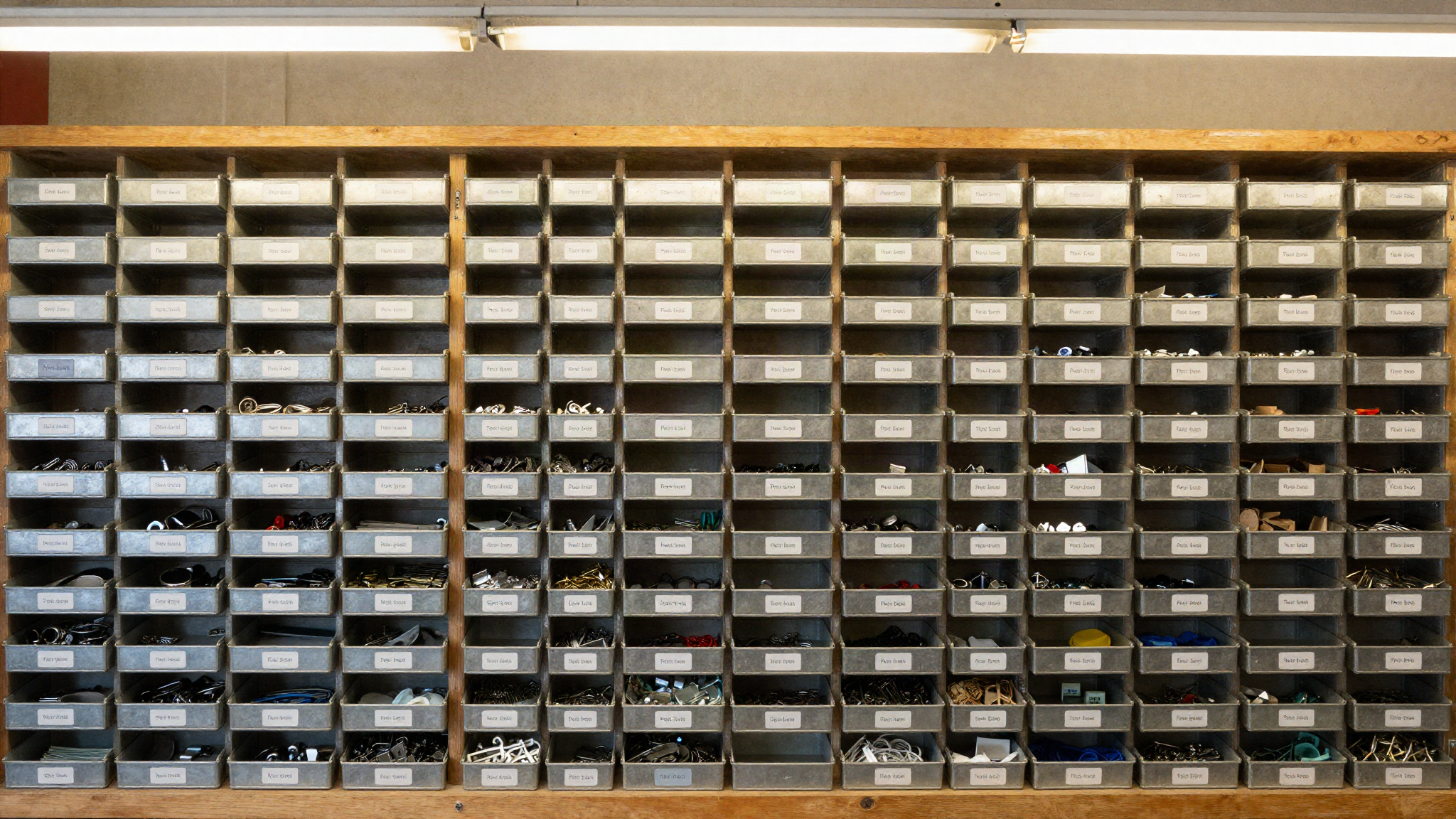
In 1726, at twenty years old, Benjamin Franklin made himself a small book. Thirteen pages, one virtue written at the top of each, seven columns ruled for the days of the week. Every night he marked a black dot beside any virtue he had failed that day. Nobody assigned it. Nobody inspected it. He was the student and the examiner at once, and he carried some version of that book for the rest of his life.
The most useful thing Franklin ever built was a scoreboard he was the only one allowed to read.
The thirteen are familiar enough. Temperance, Silence, Order, Resolution, Frugality, Industry, Sincerity, Justice, Moderation, Cleanliness, Tranquility, Chastity, Humility. He worked one virtue per week, thirteen weeks to a course, four courses a year. The contents of the list matter less than people assume. What matters is who was holding the pencil.
That is the part a father can actually hand over.

Most of what gets called teaching accountability is supervision wearing a better word. You notice the thing. You name the thing. You apply the consequence. It works, in the narrow sense that behaviour changes while you are standing there. What you have built is a child with excellent compliance and no instrument of his own. Take the observer out of the room and nothing is left running.
Two earlier posts here circle the same ground from the outside: one on teaching ownership before teaching money, one on the standard a child copies long before he can argue with it. Both describe what the parent supplies. This one is about the instrument the child ends up holding.
Franklin avoided the supervision trap mostly by circumstance. He was a runaway printer apprentice with nobody above him worth reporting to, so the only auditor available was himself. He built the thing that makes self-audit possible, and it is unglamorous: a grid, a pencil, and a fixed minute at the end of the day.
The two daily questions get quoted less often than the chart and they carry half the load. In the morning: what good shall I do this day. In the evening: what good have I done today. Two sentences, one at each end, and a vague intention acquires an opening and a close.

Give a child that frame and you have handed them the difference between being judged and taking a measurement. Judgment arrives from outside and lands like an accusation, so it gets argued with. A measurement is a number you took yourself, and there is nobody available to argue with about it.
The version for a kid wants to be smaller than the Franklin original. Three lines, not thirteen. Chosen by them, written by them, marked by them. And you do not read it. That last rule is the one that stings, and it is the one carrying the weight, because the moment a parent starts reviewing the chart it converts back into a report to management, and the child starts writing for an audience.
A scoreboard your parent reads is a performance review. A scoreboard only you read is a conscience.
The Speckled Axe
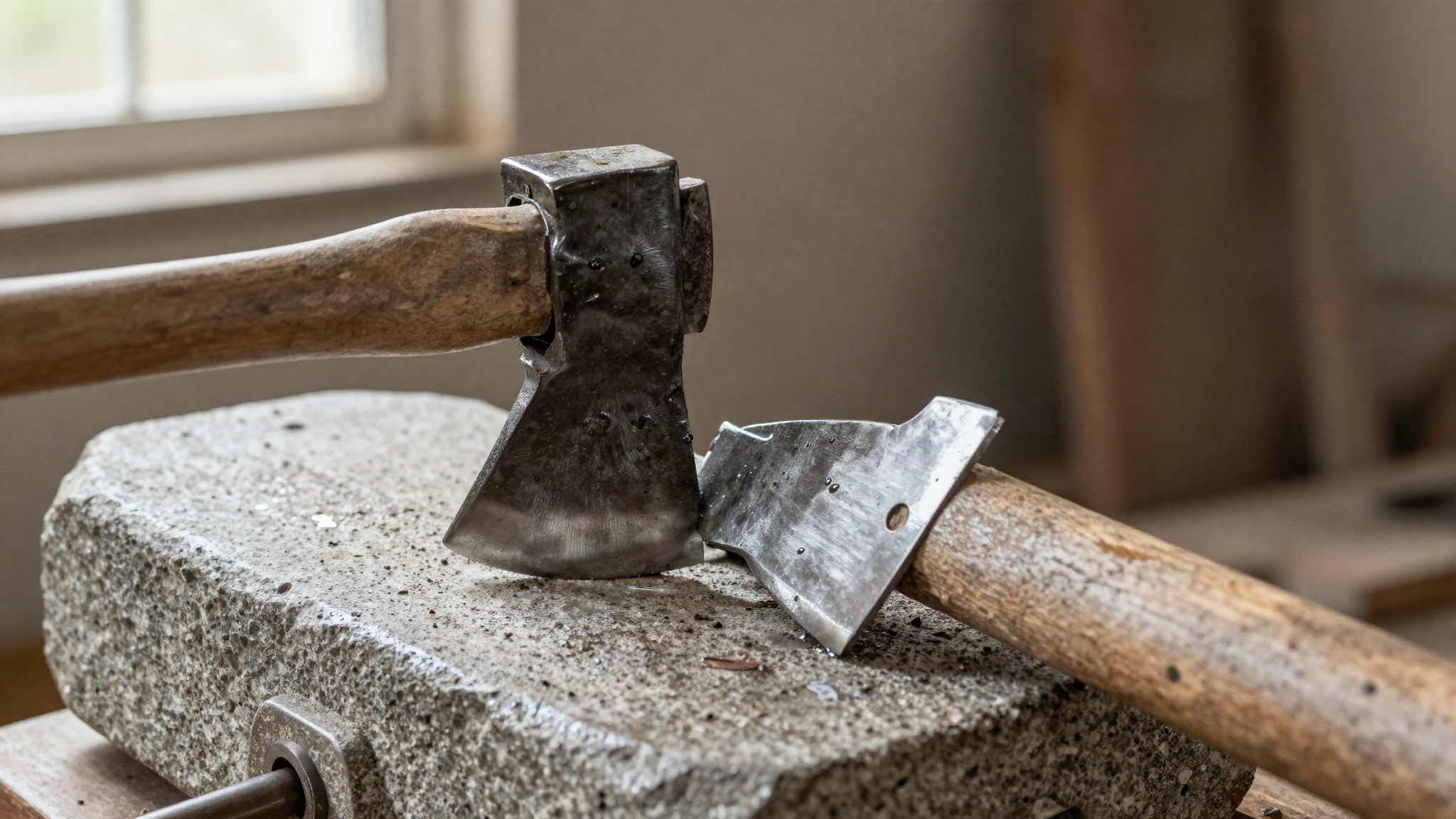
Franklin failed at this, and says so in plain language. Order, keeping his papers and his hours arranged, was the virtue he never got hold of. He tells a story about a man who bought an axe and wanted the entire head polished bright, turned the grindstone until he was worn out, then announced he had decided he liked a speckled axe best after all.
The point Franklin makes is that he kept the book anyway. By his own account he was a worse man than his list and a better man than he would have been without it. That is the honest version to give a child, and it is the only version that survives contact with an actual week.
A perfect chart is evidence the chart is fiction. A kid with three honest marks against Tuesday is holding a working instrument. A kid with a clean page has learned to manage the page, which is a different skill and a much less useful one.
The Operator Version
This is not really a parenting idea. It is how quality holds in an operation.
In short-term rental work, a cleaner who photographs their own finished room before locking up catches more than a manager inspecting it the next morning. Same person, same room, different position in time. The inspection finds the problem after the cost is already sunk. The self-check finds it while the fix is still free. Handing the standard to the person doing the work is not soft management. It moves the audit to the only moment when it is cheap.

Inspection finds what is already broken. Self-measurement finds it while it is still cheap.
Franklin retired from business at forty-two, proved lightning was electrical, and refused to patent the stove that still carries his name. He also never did get his desk in order. Both are true, and the notebook is how he knew which was which.
Well done is better than well said, he wrote. The chart is the only apparatus that tells you honestly which of the two you did today.

Your job was never to be the one keeping score. It is to hand over the pencil, and then leave the room.