Wisdom
Nolan put the Odyssey in theatres this July. I went in expecting a war story. It is not one. The war is already over when the poem starts. The whole epic is about the ten years it takes one man to get back to his own house.
Homer gave us two heroes and they are not the same animal. Achilles is force: the best fighter who ever lived, dead young, immortal name. Odysseus is metis: cunning, patience, disguise, the ability to think his way out of a room he cannot fight his way out of. He survives. He gets home. Sitting in that theatre I kept landing on the same thought, which is that we celebrate Achilles and we should be studying Odysseus.

Achilles is the better warrior. Odysseus is the better operator.
The Hero Is a Man of Pain
Johnathan Bi published a video essay on July 25, filmed in Ithaca, called Odysseus and the Art of Lying. His way in is the names themselves. He is careful to flag these as folk etymologies rather than settled linguistics:
- Achilles reads as achos (grief) plus laos (fighting men). Grief of the fighting men.
- Odysseus comes from odyssomai, to hate. His own grandfather named him. Mr. Hatred.
- Ulysses, the non-Ionic form, echoes oule, scar. The scar is literally how they identify him.
Bi’s conclusion is the uncomfortable one. A Greek hero is a man of pain. He causes enormous pain to his rivals, enormous pain to his friends, and enormous pain to himself. Achilles sulks in his tent and gets his own army slaughtered. Odysseus loses every single man on his ships.
The founder version
The story we like to tell is that the cost of the campaign is ours to carry. It is not only ours. It lands on the people who signed on, the family that waited, the crew that did not make it back. Every man who followed Odysseus died. He is still the hero of the poem. Sit with that before you use the word visionary about yourself.
Metis Is the Actual Edge
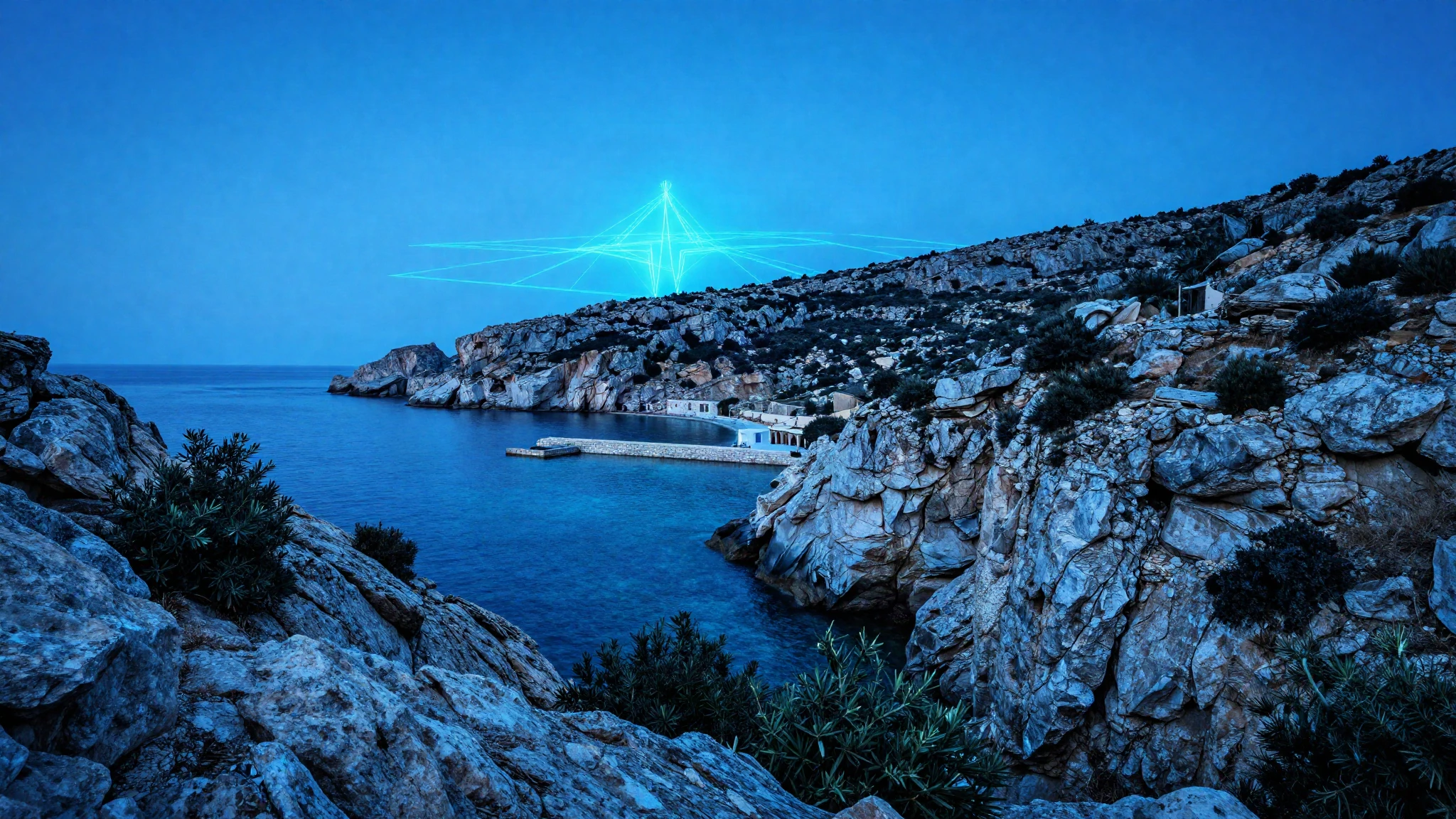
The cyclops scene is the thesis of the whole poem. Odysseus is trapped in a cave behind a boulder he cannot move. Strength is worse than useless here: kill the giant in his sleep and everyone starves sealed inside. So he does three things instead.
- He resizes the problem to fit his tools. He cannot move the stone, so he stops trying. He solves for the eye.
- He gives up his name to buy position. He calls himself Nobody. When the other cyclopes ask who is attacking, the answer is nobody, and no help comes. He trades looking important for winning.
- He waits. The escape happens the next morning under the sheep, not in the heat of that night.
Force is what you reach for when you have run out of better ideas.
That maps straight onto the work. I am not the biggest short-term rental operator, not the biggest agency in Calgary, and nowhere near the biggest name moving into RWA tokenization on Solana. None of those are won on strength. They go to whoever sizes the problem correctly, gives up needing to look important, and is willing to wait one season longer than the competition.

He Comes Home as a Beggar
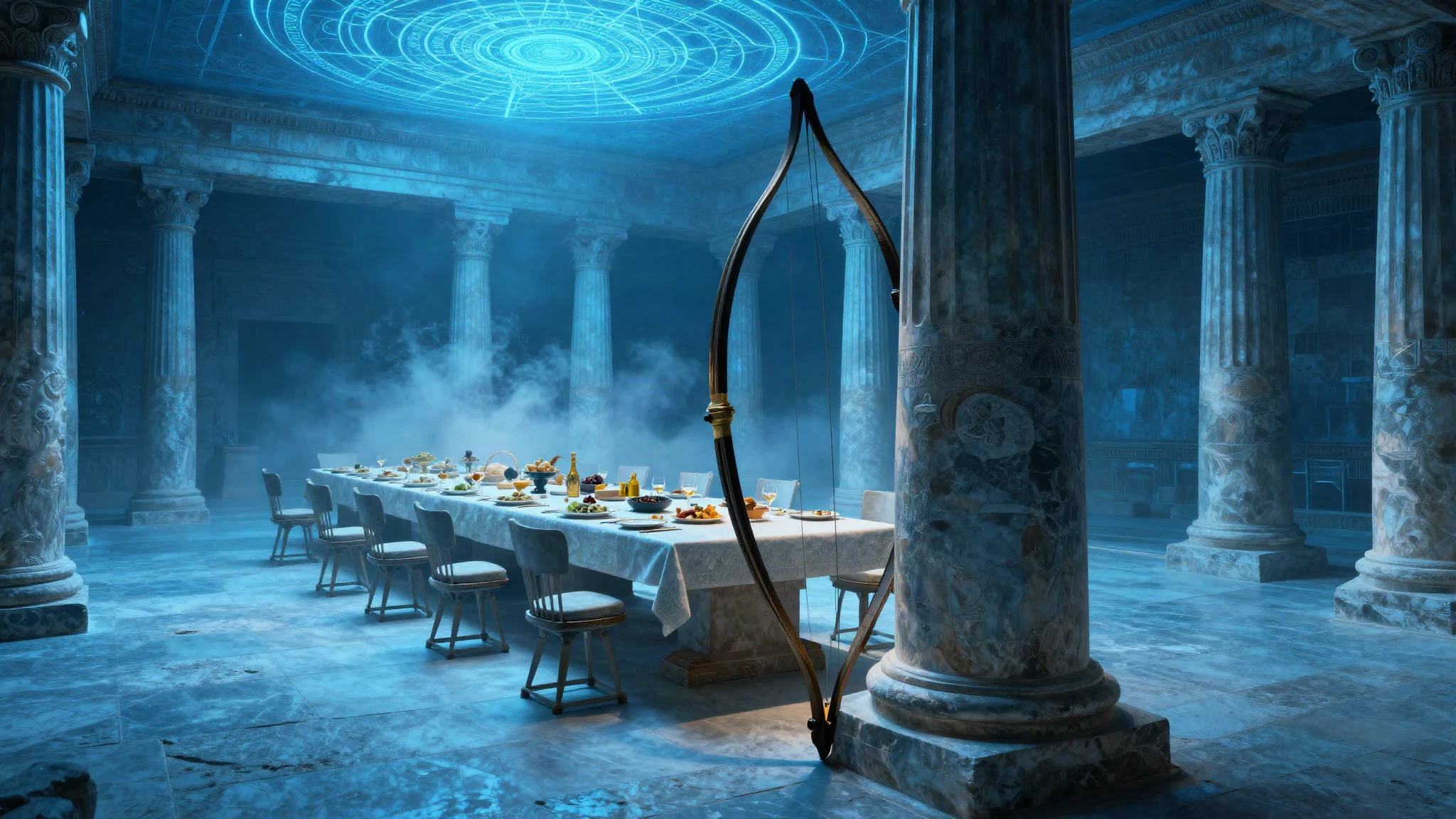
This is the part that stayed with me on the drive back. Odysseus does not walk into his own hall and announce himself. He arrives disguised, in rags, and takes abuse from men eating his food at his own table. He tests the place first. He works out who stayed loyal and who did not, and only then does he pick up the bow.
The instinct is to read that as humility. It is not. It is reconnaissance. Announce yourself and you get shown the version of the room people want you to see. Walk in as nobody and you get the truth. The operator translations are obvious once you see it:
- Walking a property before the seller knows you are serious.
- Sitting through a competitor’s sales call as a prospect before you build your own pitch.
- Reading the numbers before you accept the story attached to the numbers.
What I Actually Took From It
Three things, in the order they hit me.
- Pick the archetype that survives. Achilles gets the statue and the poem. Odysseus gets the house, the wife, the son, and thirty more years. Business celebrates the Achilles story in public and runs on the Odysseus method in private. Optimize for the second one.
- Count the crew, not just the captain. If the campaign works and nobody who started it with you is still standing, that is not a win. That is a body count with good branding.
- Define the shore. Odysseus knew precisely what home was: a specific island, a specific house, a bed carved into a living olive tree rooted in the ground, unmovable by design. Most founders cannot tell you what home is. No number, no structure, no date.
A journey with no defined destination is not an odyssey. It is drifting with better lighting.

One more thing, because Bi has a companion essay on what happens to Odysseus after the Odyssey and the tradition cannot leave the man at home either. Dante sends him back out to die at sea. Tennyson has him restless on the rocks. Homer himself has Tiresias tell him he must leave again, carrying an oar inland until he reaches people so far from the water that they mistake it for a winnowing fan. The homecoming is never quite the end of it.
The campaign makes the name. The return makes the life. Run them as two separate projects, because they do not obey the same rules.